
FEATURE: Philogynoir

My journey to veganism started in 2009 when I decided to research healthier alternatives to  chemical relaxers. It wasn't until 7 years later that I was able to finally commit to the vegan lifestyle, but the process started with my introduction into the natural hair community. Once my eyes were opened to the pervasiveness of white supremacist socializations - the meaning behind having good hair, obsessing over curly hair, and the idea that natural hair is inherently “unprofessional” - there was a shift in me that to this day, has never been the same. 

Going natural lead to me becoming a pescetarian with a mainly vegetarian diet. After a while, I naturally progressed into a social pescetarian with a 60% vegan diet. Fast forward to 2015, I began eating meat again. During this time, I was well into my pregnancy and almost fainting from not consuming enough food. Now, I am not trying to insinuate that it is impossible to complete a pregnancy as a vegan, I was just unsuccessful because I didn’t have the resources to eat correctly. 

Once I delivered my daughter, I went back and forth between being a vegan and eating certain meats like chicken and turkey. It wasn’t until I read Sistah Vegan: Black Female Vegans Speak on Food, Identity, Health, and Society that I was able to commit to a vegan lifestyle. That book, along with all of A. Breeze Harper’s work, really solidified my reasoning for wanting to decolonize my mind and body through abstaining from animal-based products. One line that really stuck with me was a passage where one of the author’s - it may have been Harper herself - said as a person who was anti-oppression, she realized her diet did not match her mindset. That line rocked my world.

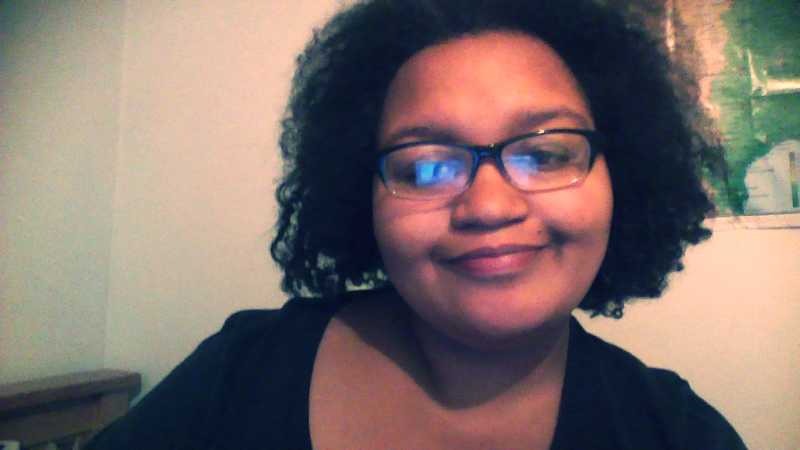
I am the creator of an online (and soon to be offline; wait on it) space called Philogynoir. Philogynoir is the antithesis of misogynoir or anti-black misogyny. Utilizing Youtube, I created a web series that discusses the intersection between race and sex told specifically from a black feminist perspective. My show is meant to empower, uplift, and mobilize ALL black women - not just those of us who are thin, conventionally attractive, able-bodied, cis, straight, and college-educated. Though I realize I am unaware of many systems of oppression that I personally benefit from, I consider myself anti-oppression overall. So with knowing this, how could I continue to participate in speciesism when I had the resources to do otherwise?

So far, the decision to become vegan has been one, if not the best things I could’ve done for myself, the environment, and other living beings. I have more energy, my skin is clear, melanin popping, and I have peace of mind knowing my beliefs align with my diet. It’s lit.

Where can you find me online?

Youtube: Philogynoir

Twitter: @philogynoir

Instagram: @philogynoir

Tumblr: @philogynoir

Facebook: @philogynoir

Snapchat: @philogynoir
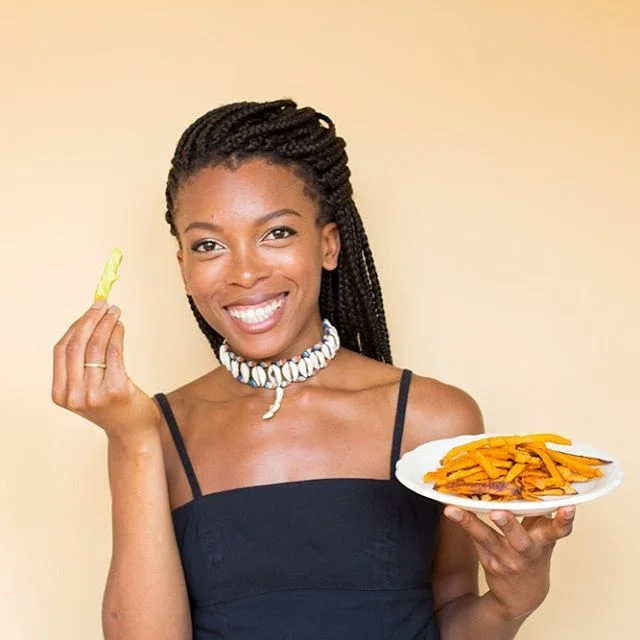
 

Jenné Claiborne aka Sweet Potato Soul

In 2011 I became vegan, and it has been one of the best decisions of my life. I was compelled to give up animal products while working at a vegan restaurant in New York City––Peacefood Cafe––and becoming aware of the cruel and unethical ways animals are treated. 

I grew up with an understanding of what a vegan is because my dad was raised vegan, as a Hebrew Israelite. Growing up I had a handful of family members who were vegan, but I couldn’t relate to their religious motivation for abstaining from animal products. It wasn’t until I moved to NYC and met other young vegans that I started understanding vegansim as a lifestyle outside of religious contexts, and it made so much sense to me once I understood the plight of animals. 

After becoming vegan I quickly started to feel so much better: physically, mentally, and spiritually. I always loved to cook, but experimenting with vegan cooking ignited a definite passion within me. I promptly quit my hustle as an actress, and started a vegan personal chef service so that I could share this lifestyle with more people. 

These days I share my vegan lifestyle with fans of my blog, Sweet Potato Soul, and on my Youtube channel. Veganism is more than food. It has influenced the way I look at the world and made me a much more compassionate person and consumer. 

Social Media

Website: sweetpotatosoul.com

Instagram: sweetpotatosoul

YouTube: sweetpotatosoul

FEATURE: Naijha Wright-Brown

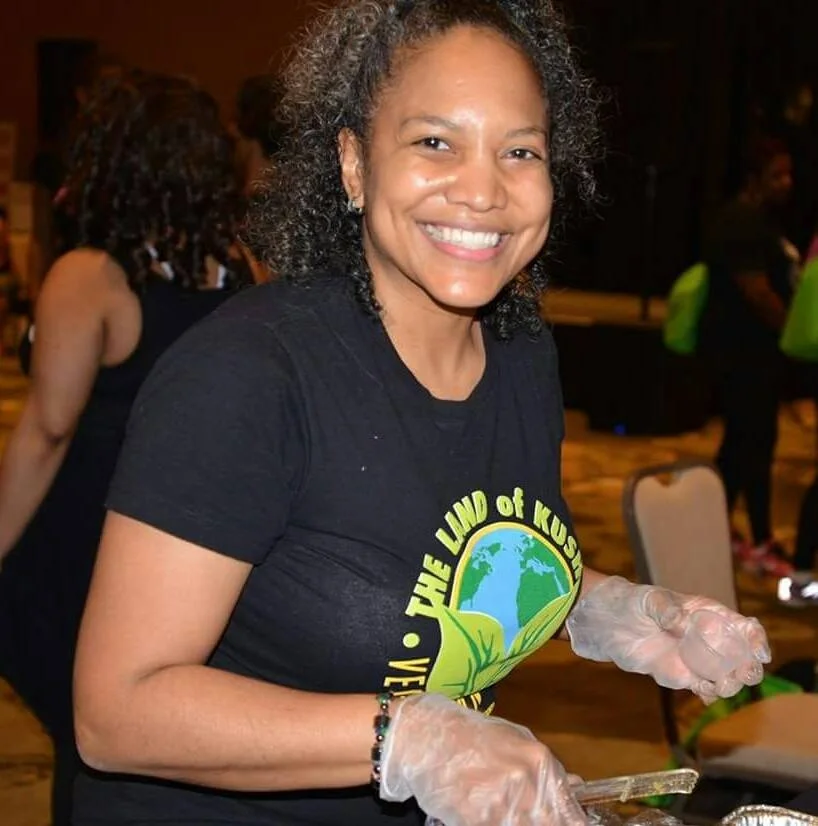
Co-owner of the VeganSoul Bistro, Land of Kush, a vegan soul food restaurant located in Baltimore, MD. I began my journey towards veganism in 2005 when my cholesterol level was 249 and was told that I would be placed on medication.  Being holistic, I had to research ways to bring down my cholesterol.  I knew very little about the vegan lifestyle until I met my husband, Greg.  He introduced me to some home-cooked meals and shared his vision of owning a restaurant.  

We decided to focus on gaining the buy-in of the African-American and Latino markets by creating a signature vegan soul cuisine; vegan BBQ ribs, mac n' cheeze, collard greens and yams. Fast forward to 2016, through strategic marketing initiatives, the restaurant has experienced exponential growth within five years of opening in 2011. I develop relationships and collaborate with local and national businesses, non-profit organizations, schools and churches who share in the mission of promoting dietary, ethical, or environmental veganism.

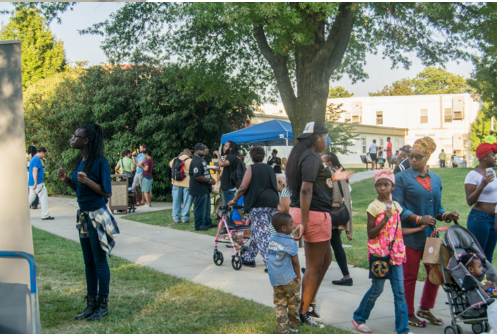
I, also, co-founded and organize Vegan SoulFest, an annual vegan festival catered to Baltimore's inner city communities. I am the Executive Director of The Black Vegetarian Society of Maryland. An organization whose mission is to educate the public, particularly Blacks and Latinos, on the plant-based diet by "meeting people where they are." 

I have spoken and made appearances at radio stations, schools and community events throughout Maryland and Washington, D.C. 


FEATURE: May Sana

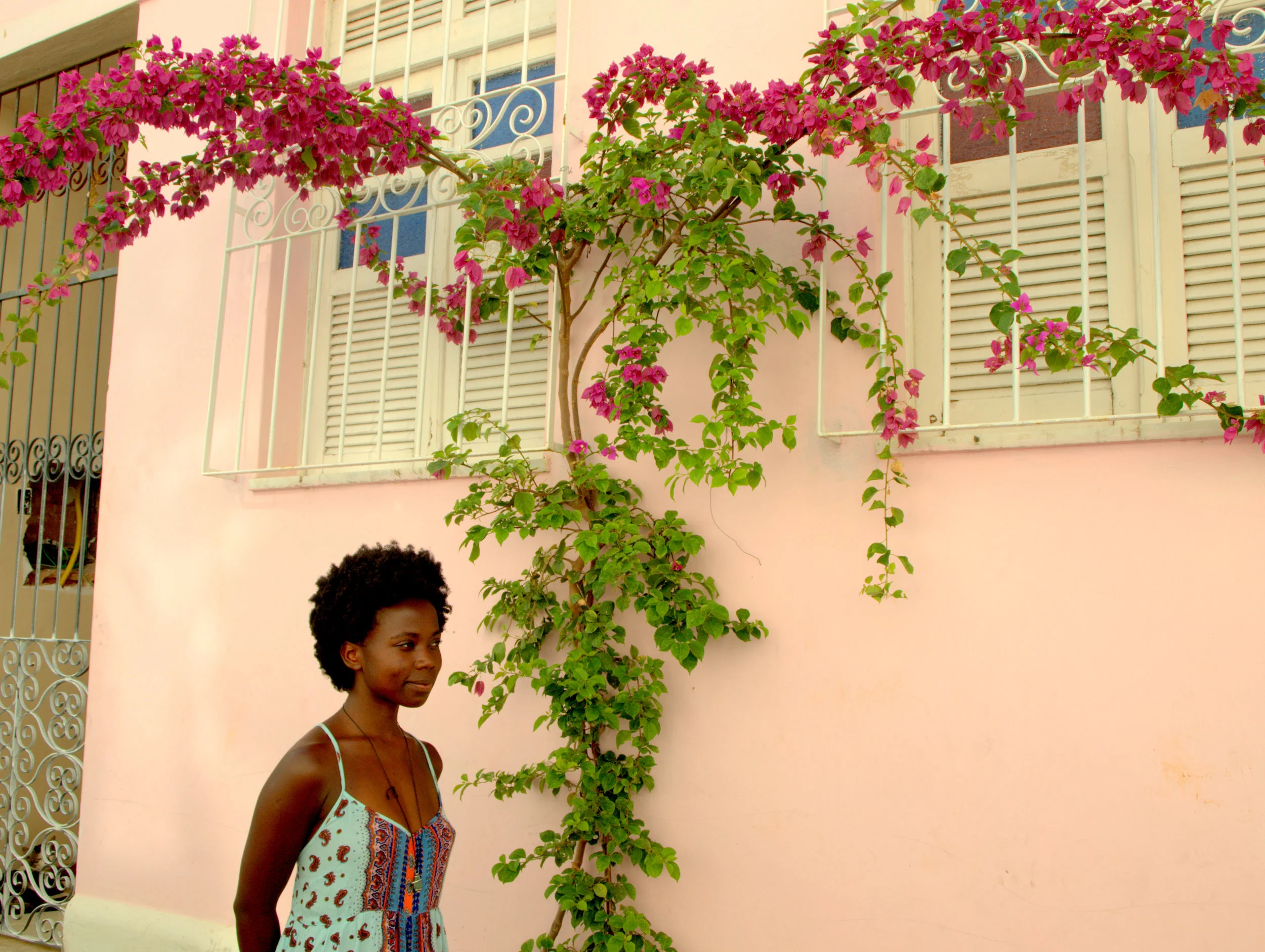
My first awareness of animal cruelty was around late 2006. I was home for the holidays when I fell upon some online videos that depicted where the favorite parts of my meals truly came from. I was left in shock and tears because no one had told me that THAT is where my meat came from. I became vegetarian to the disbelief of my family, in which I was always the biggest meat enthusiast. This was the first thing as a young adult that I started questioning. I started realizing that the “adult world” wasn't always the kindest or truest...that it didn't tell us everything we needed to know, as I had assumed growing up. 

There weren't many health videos online back then. So, even though I went vegetarian because I couldn't stomach supporting the meat industry, I didn't think of looking into how to meet my needs as a non-meat-eater. I was still adapting to many things in my late teens and when I was constantly hit with low moods and energies, I assumed it was because I had given up meat. I then became a pescatarian for those health reasons. I had reasoned with myself, that at least fish only had one bad day compared to other farmed animals, and I could stomach eating them every now and then to have a “healthier diet”. 

I never imagined going vegan to be honest. In fact, I felt that it was too extreme and I wanted to avoid (and still try to avoid) being an extremist about anything. In early 2014, I finally pressed play on many of the mind-blowing documentaries many vegans have already seen. I sobbed, again, and went vegan overnight. This time I was much older and more aware in balancing both my ethics and my health. There were also more people online talking about how to be healthy on a vegan diet. 

My journey to veganism has been an important one for me. It has taught me about the consequences of the things we buy and enjoy - the things we think are perfectly normal. It has taught me to question so-called “truths”, regardless of who is speaking them. It has taught me to trust myself and my intuition when things don´t seem right. It has taught me to speak up.

As a vegan of color, it has also shown me how much of our oppression is interwoven with so many of the same concepts and ideologies: from sexism, racism to capitalism etc, or all of them at once. Veganism taught me to question the idea of ownership. Just because certain beings can be oppressed and exploited (like people deemed as “less valuable”, natural resources, and the animals people eat), doesn't mean we should support oppression. It taught me about the immense greed and ugliness of capitalism, and the illusions around us that it creates that persuades us into gladly supporting/enjoying our own destruction on this planet, served with a side of fries and ketchup.

I think more than identifying with just being a vegan, I identify more with being someone who wants to know the FULL prices and consequences of things in our daily lives. As a woman of color, I  have become too familiar with the price we pay when things are taken out of their fullest context. So, veganism for me, has only been a part of that quest towards, hopefully, a fuller context of awareness because, unfortunately, the rabbit hole of exploitation masked as everyday necessities tends to run very, very deep. 

I am still learning and still growing. I don´t know where exactly it all ends and I am enjoying finding balances between it all. The balance of seeking this awareness but also being able to enjoy life where we can is also very important. But it´s a journey that has made me more proactive in my own existence, more mindful about the choices I make, and to have the power of aiming to live a life in solidarity with with others; humans, this earth and other beings. I think that is our greatest hope and power - our willingness to stand in solidarity with what we feel to be just. 

All in all, it has been a journey (so far) that is pretty damn worth it.

Social Media

Instagram: https://www.instagram.com/indigobright/

Website: www.boxyprojects.com

YouTube: Abantu May

FEATURE: Dreamcrusher

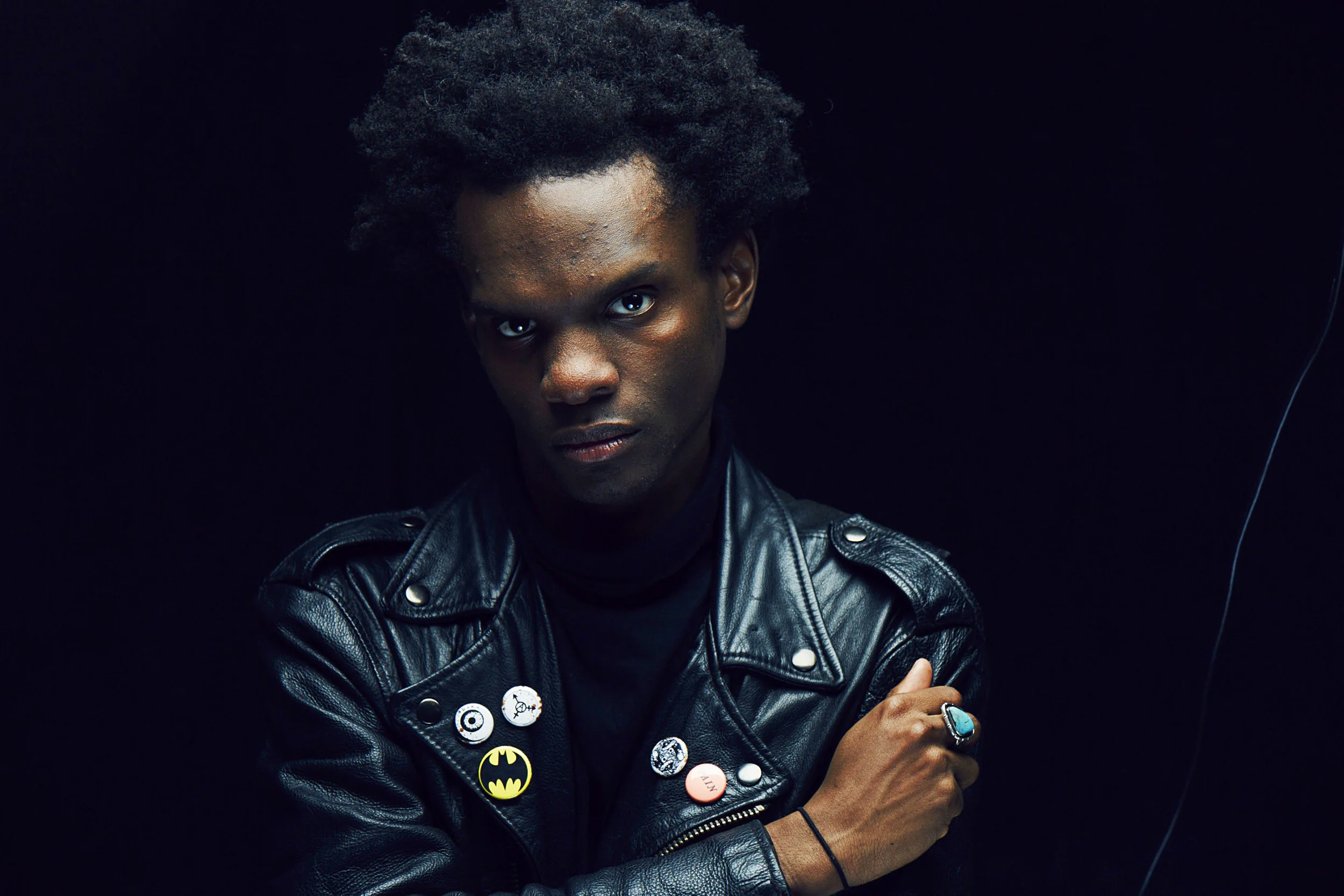
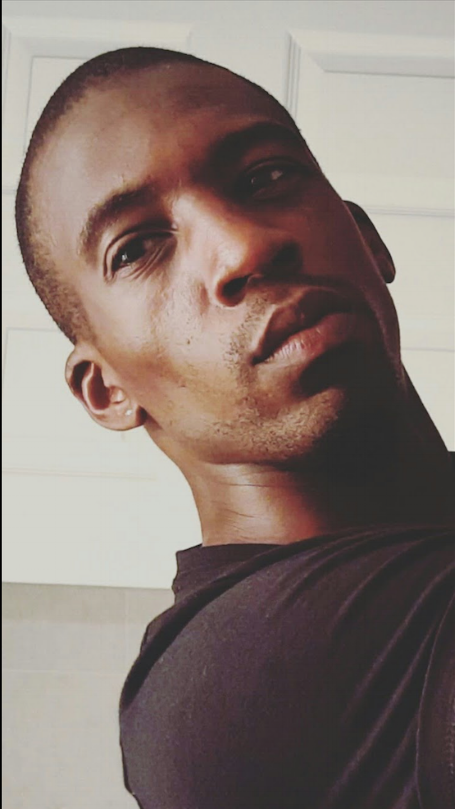
Dreamcrusher is a genderqueer/non-binary (they/them/their pronouns), straight edge, vegan electronic musician since 2003, creating immense, abrasive, sometimes rhythmic and often isolating soundscapes with bursts of melody choking through overwhelming sonic cacophony. Dreamcrusher was recently featured in AFROPUNK, Pitchfork, Noisey/Vice, UnArtig, Brooklyn Vegan, Impose, Electronic Beats, AdHoc, The Fader, Dazed Digital, FACT Magazine, Decoder, and many more. Also opening for Wolf Eyes, B L A C K I E, James Chance and The Contortions, The Sediment Club, Pharmakon, Sick Feeling, Tallesen, Pop 1280, Cities Aviv, Show Me The Body, Pedestrian Deposit, Profligate, John Mannion, and many more. Moshpit worthy, high energy harsh noise vessels through hardcore, punk, and shoegaze influences: it's an exercise in immersion and endurance.

From Wichita, Kansas and based in Brooklyn, New York, I've been vegan for nearly 15 years. It stemmed from listening to Prince (during his vegan era when his name was a symbol) who is a huge inspiration and drive for me to consider the welfare of all living things, but also health reasons played a big part. Being from a meat and potatoes midwest black family, much of my relatives have taken healthier living steps following my lead. 


FEATURE: Ashleigh Mott

I’ve loved animals for as long as I can remember (my first word, according to my baby book, was “kitty”!). But I also grew up on the Standard American diet, which included dairy, eggs, and especially meat (one of my earliest memories is eating a bit of raw ground beef off a cutting board when I was 4, only to be lightly scolded by my mother, and told “that will make you sick!”). It wasn’t until I was 12 years old that I made the connection between my love for animals and the animals I ate.

I remember the day it happened. My parents took my brothers and me to the county fair late in August 1999. After some rides and games, we made our way to the 4-H part of the fair, with all the pigs, cows, chickens, rabbits, and other animals raised for the program. Still being the animal lover I was, I was enthused over seeing farm animals so full of life. Right after that, though, my parents went to buy us hot dogs for lunch…at which point I asked for just French fries.

I was a typical junk food vegetarian. I ate only side dishes for dinner, supplementing with a lot of chips, cookies, ice cream, and at school, Little Debbie snack cakes. It wasn’t easy, since I didn’t know much about cooking, and was the only vegetarian in the family. As such, I fell off the wagon by the end of high school (partly by my parents’ insistence that eating some fish and chicken might help my clinical depression).

Flash forward to my early 20s, when a lot had changed. I had realized that I was not Christian and didn’t believe in organized religion any longer, came out as queer, and went back to vegetarianism (but still not giving up eggs and dairy, especially cheese). This started to change when I came across several PETA videos, videos that were profoundly jarring (especially hearing the narrator of “Meet Your Meat” say “if you’re consuming milk, you’re supporting the veal industry” as images of baby boy calves chained by the neck flashed across the screen; I burst into tears, thinking “my God, what have I done?”). I didn’t become vegan right after that, but it was all a process for me (learning to buy nail polish, soap, deodorant, and lip gloss that are vegan-friendly and not animal-tested, learning to live with limited processed vegan meats to stay within my budget [which, by the way, is easy once you’re used to it!], and so forth). As of 2010, I am vegan!

Today, I run a blog called Everyone Deserves Justice, based around promoting justice causes, including veganism, with an intersectional approach. I also have a YouTube channel under the username ElectricMayhem87 (I’m a Muppet fan; does it show?) wherein I’m currently working on a series about intersectionality and veganism. That, and my blog, are mainly a response to rhetoric and ads I’ve seen since I’ve become involved in the animal rights movement that I feel are unproductive to our cause (fat-shaming, comparisons to black slavery and the Holocaust, use of misogyny to support the message, etc.). I am still a vegan for justice, and I want this movement to reflect justice, not other oppressive attitudes.

FEATURE: Ariole Dieujuste

Both ethics and health benefits are what interested me to adopt the vegan lifestyle. There were times where I suffered from throat and chest pains. A build-up of phlegm that lead to severe coughs and chest pains would attack me each week. I did not have asthma though.

Before going vegan, animal protein was a part of my diet. As I began to transition to a vegan diet in early 2015, the attacks became less severe and rare. I've been vegan for 7 months and have yet to experience an attack since mid-2015.

After going vegan, I began to do more research so that I could learn more about veganism. This lifestyle not only benefits me, but also the animals and the planet. Animal agriculture is a business. Cancer(s) and heart disease are also a business. The sicker we are (as a people), the more the industry profits. It makes sense to try to be healthy, but it doesn't make dollars for the industry. My only regret about going vegan is not doing it sooner.  

Social Media Links

Twitter: @ariole1984
Instagram: @ariole1984
Facebook: Facebook.com/Ariole.Dieujuste
Youtube: http://YouTube.com/c/Juice84

FEATURE: Brenda Sanders

Photo Credit: Pax Ahimsa Gethen

Photo Credit: Pax Ahimsa Gethen

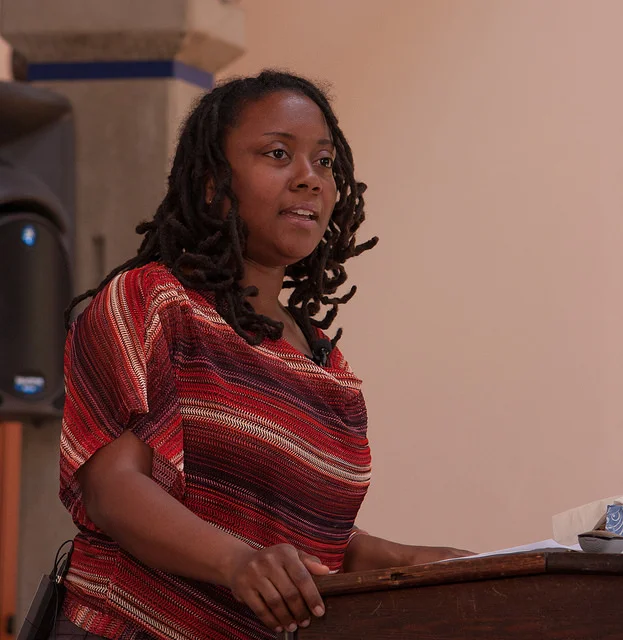
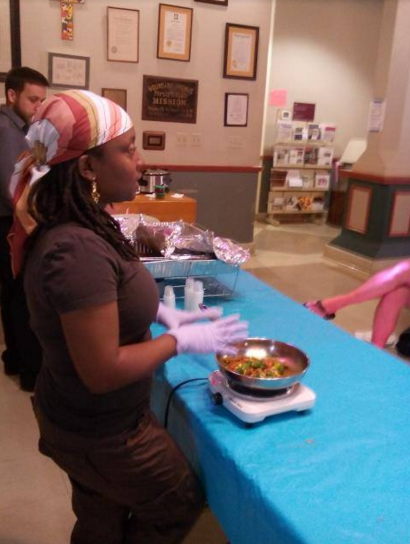
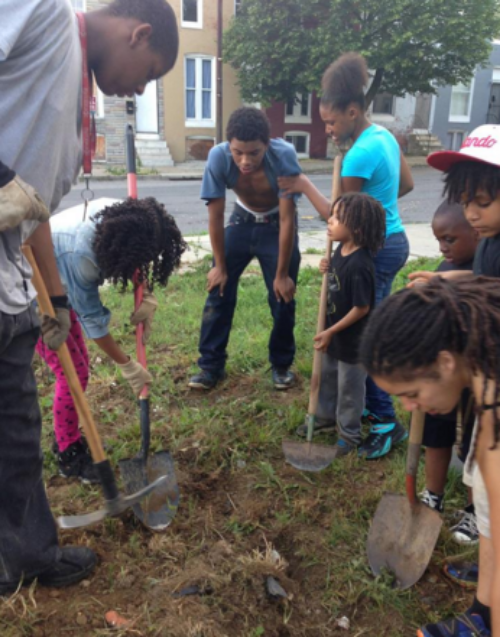
Brenda is a food justice activist in Baltimore City, MD, who advocates for social and environmental justice as well as animal rights through the framework of veganism. Her work ranges from vegan cooking demonstrations to lectures on animal rights to presentations exposing environmental racism. She also hosts a monthly vegan support group, organizes a vegan culture & food festival (Vegan Soulfest), manages community gardens in an economically depressed neighborhood, and is a founding member of a vegan food collective (PEP Foods) that is bringing affordable vegan food to low-income communities in Baltimore. Here’s a snapshot of her work.

Food Justice Activism

As Executive Director of Better Health, Better Life, Brenda coordinates Eating for Life, a series of workshops designed to expose families in low-income Baltimore communities to the many benefits of eating a healthy plant diet. Through these workshops, Brenda is able to address both the health disparities and the food access challenges in marginalized communities.

Through the Penn-North Community Gardens, Brenda helps to make fresh fruits and vegetables available to families in the Penn-North neighborhood of Baltimore City and assist them in taking back control of their access to healthy foods in their community.

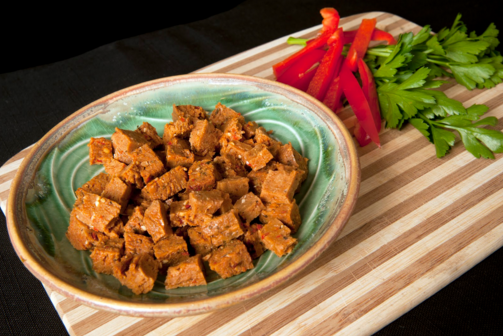
As a founding member of the PEP Foods Collective, Brenda works to help bring affordable vegan food to low-income Baltimore communities. PEP Foods’ goal is to change the food landscape in marginalized communities by putting non-dairy cheeses, meat substitutes and healthy grab-n-go convenience foods into carry-outs, corner stores and mini-marts in the Baltimore communities where healthy foods aren’t made available.   

Animal Rights Activism

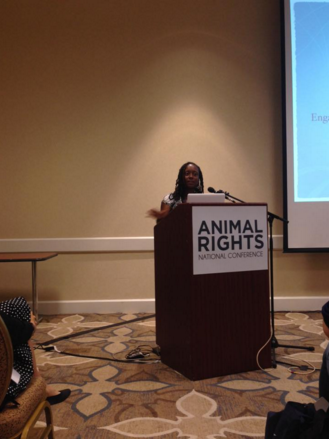
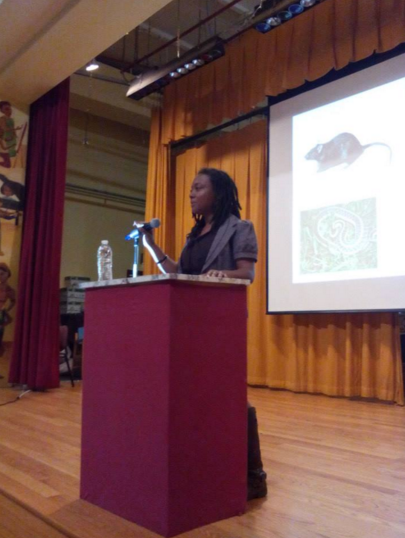
Brenda has done lectures on animal rights at conferences and colleges around the country. Her work as a social and environmental justice activist allows for a multi-faceted perspective on the various ways in which animal exploitation negatively impacts animals, humans and the planet we all inhabit.

Environmental Justice Activism

Brenda works with the environmental justice organization Energy Justice Network to help people in Baltimore communities to recognize the environmental racism at work in the targeting of low-income communities of color with environmental pollution - and how adopting a plant diet can improve the inevitable negative health impacts that result from this unfair targeting.

Vegan Education

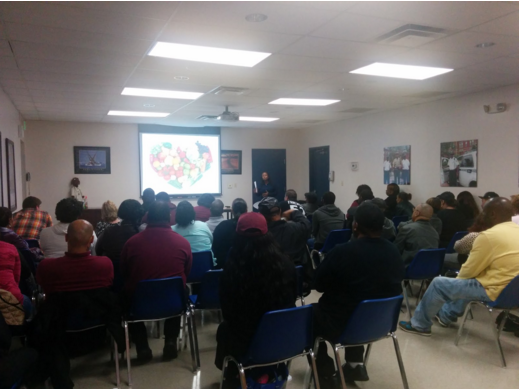
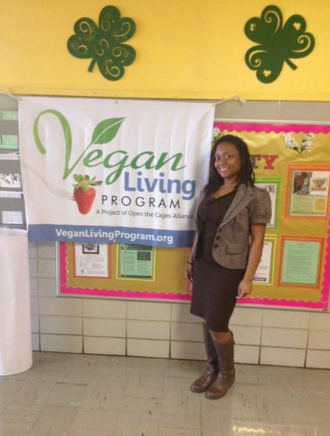
As Co-Director of the animal advocacy organization Open the Cages Alliance, Brenda co-organizes the Vegan Living Program, a six-week vegan education program. Since 2011, the Vegan Living Program has engaged hundreds of people in the Baltimore area with information about the many benefits of the vegan lifestyle.

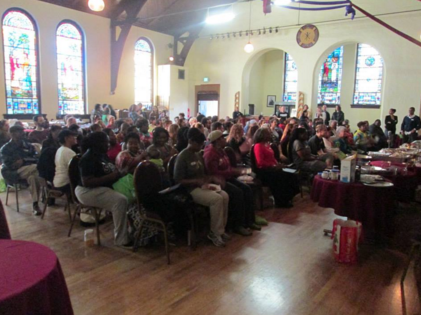
Brenda is also co-creator of Vegan SoulFest, an annual celebration of culture and the vegan lifestyle in Baltimore City. This festival brings together experts in vegan nutrition, vegan chefs, businesses and organizations that promote the vegan lifestyle to demonstrate all the benefits of the vegan lifestyle to the people of Baltimore City.

Links:

PEP Foods: www.pepfoodsinc.com

Better Health, Better Life: www.bhblnow.org

Vegan Living Program: http://www.openthecages.org/vlp/index.html

Penn-North Gardens: https://www.facebook.com/groups/1599377163668047

Vegan SoulFest: http://www.vegansoulfest.com