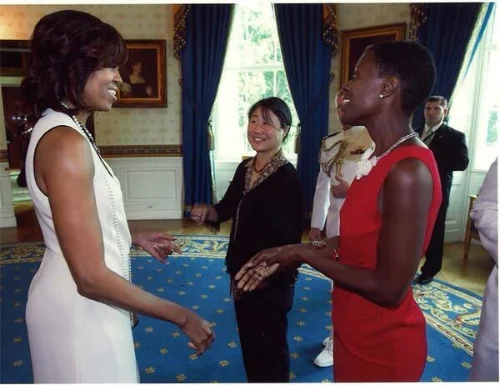
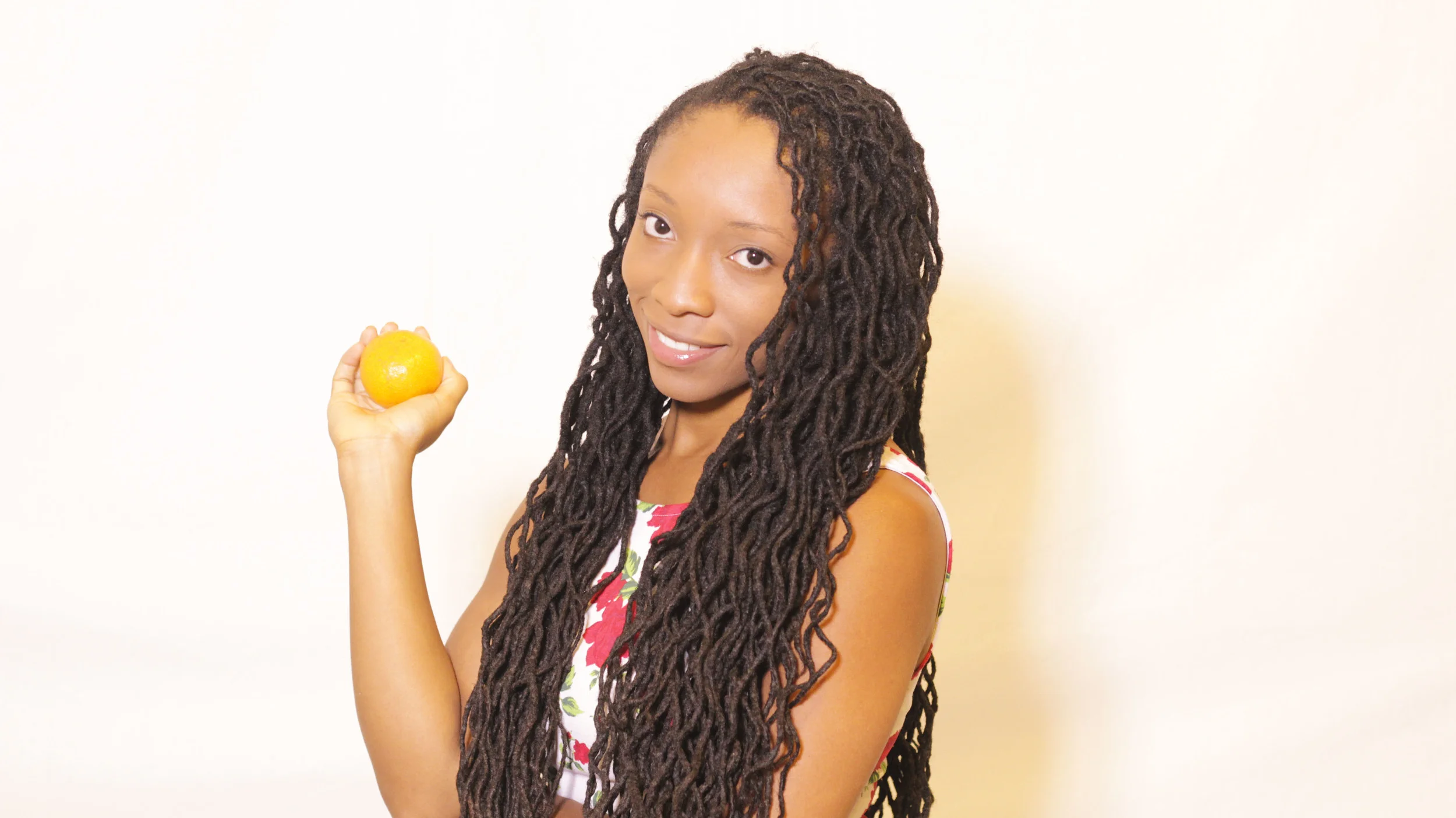
FEATURE: Carrie from So Freakin Vegan


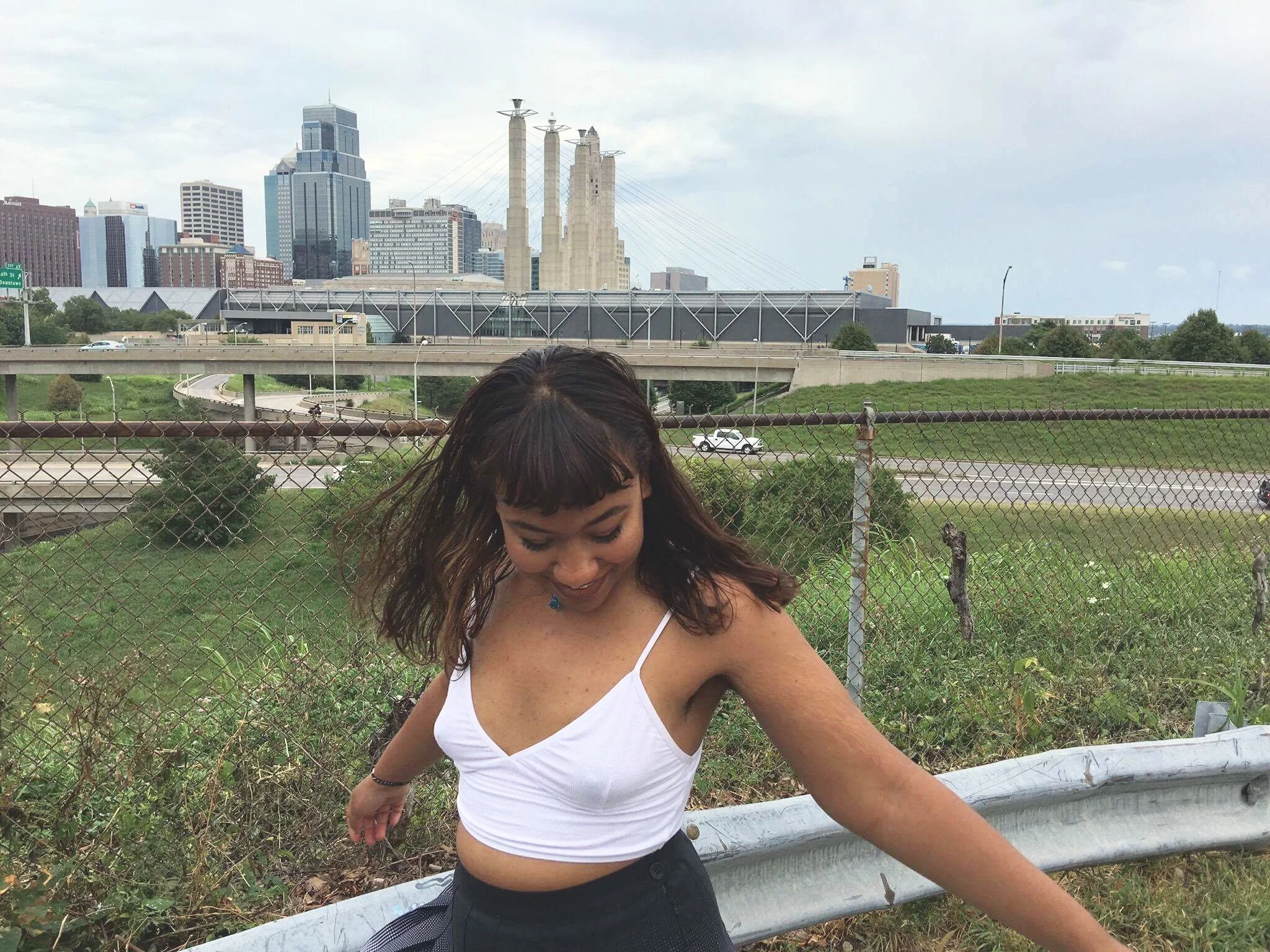
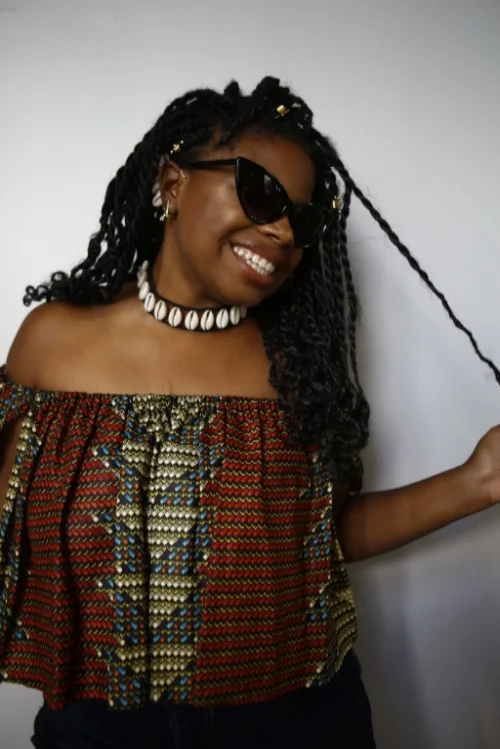
“You’re a what!?” I asked my new graduate school roommate, demanding an explanation. “Why would anyone want to be a vegetarian,” I thought to myself. It was August 2011 and I was a whopping 22 years old. It’s amazing how far I was down the Standard American Diet rabbit hole, that I had actually never before even met a vegetarian, not to mention any vegans. After a couple months of contemplation, I decided to dabble into vegetarianism throughout my time in graduate school, and continue the dietary change for the next four years. It was interesting to me, and somewhat of a challenge. Abstaining from meat went against everything I was taught and believed about health and survival. And I’ll admit, I was one who loved to go off the beaten path.

In January of 2015, I was diagnosed with PCOS (Polycystic Ovarian Syndrome). I was prescribed multiple medications to help manage my horrendous symptoms. The side effects from the drugs actually caused me to feel worse. This was the lowest part of my life, as I not only felt physically ill, but also emotionally ill - struggling with the fact that I had an incurable disease. I began researching PCOS and found overwhelming information on the negative effects of dairy on women’s bodies and the healing benefits of raw fruits and veggies. Right then, I decided to go 100% raw vegan.

Within a few weeks of living on a raw vegan diet, every single PCOS symptom vanished. My energy skyrocketed. Issues were clearing up that I never even realized I had. I began learning more about how a whole foods vegan diet can prevent and even reverse many of the leading killers in our communities (heart disease, cancer, stroke, diabetes)! I realized that I had the power to take control of my own health.

After being vegan solely for health reasons for a few months, I came across a film called Earthlings on YouTube, which opened my eyes to the realities of how humans use and abuse animals for profit. Never before had I made the connection that as a meat eater, I was on the side of the oppressor. The animals weren’t just willingly giving their bodies to us. They were innocent beings who wanted to live, just like you and me. I became an ethical vegan, with the health benefits being an added bonus to my lifestyle.

Although no longer completely raw, I’ve maintained a whole foods vegan lifestyle for one year, and have decided to never touch animal products again. I started the So Freakin’ Vegan YouTube channel in March 2016 to bring awareness to veganism – the lifestyle that saved my life. Through parody videos, discussions, and of course food, I want people to know that veganism can be simple, healthy, satisfying, and a lot of fun! My goal is to help people help themselves, while making this world a better place for future generations

Social Media

Instagram
@SoFreakinVegan

YouTube
So Freakin Vegan

E-Mail
sofreakinv@gmail.com
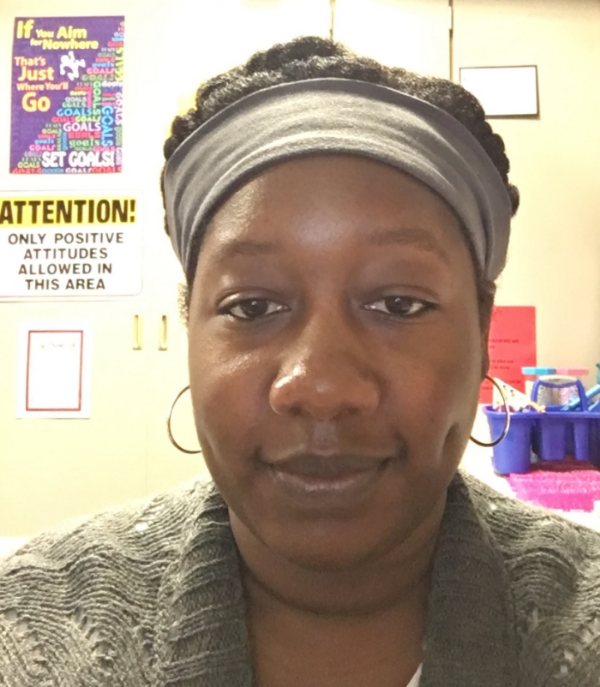
FEATURE: Moniqua Sexton

My vegan journey started in 2012/2013. In 2012, I went to my gynecologist for my yearly women's exam. I expressed to her that I was having some digestive issues. I was only have a bowel movement once or twice a week, if that. I had severe gas buildup, meaning my stomach would bloat and ache with gas that I could feel in my shoulders and my back. I could not pass it unless I was laying down on my side, completely still for a long period of time. At this time, I was also having migraines. I'm talking about bed ridden migraines.

I had been on different medications and seen different doctors for my migraines and all they wanted to give me was medication. With my migraines worsening, having them a few times a week, and my digestive issues, I couldn't take it anymore. So, my gynecologist recommended I see a gastroenterologist. I went to see one and at first, he just wanted to give me medication. The medication didn't work and when I came back, the nurse was like, "It usually doesn't work." He then suggested that I cut out red meat and stop consuming dairy because I may have an intolerance for it.

Cutting out red meat was no big deal. I was fine with chicken, turkey and fish. Dairy was a little harder because I loved cheese. My digestive issues improved. I was still having migraines. Over time, I slowly gave up chicken and then turkey. For a while, the only meat I would consume was fish. My digestive system began to work so much better. My migraines had subsided and became more spread out. But there was still something, like a feeling inside that I shouldn't be eating fish. This is around the time I started finding more vegans on Instagram. 

After a while, I gave up fish, but I went back to consuming dairy and eggs. The thing is, I was becoming so nauseous after drinking milk or eating cheese. That was my body telling me to stop. By this point, my migraines had completely stopped. I was thankful for that. 

The final straw for me giving up all animal products is when I went on a college tour with my job at the time, with the kids from a local YMCA. All we had that weekend was pizza, donuts, and more pizza. When I got home, I became so sick, that the next day, November 17, 2013, I was done with all animal products. I just couldn't do it anymore. It finally registered in my mind that consuming animal products was the root to my ailments.

This journey has taught me so many things and I have met so many amazing people. I feel alive, vibrant, and energetic. I couldn't be happier. My body loves me for it and now, I have to say that health is the most important thing. You only get one body. Take care of it.  

LINKS

Twitter: @simplymoniqua

YouTube: @simplymoniquavegan

Pinterest: @simplymoniqua

Website: www.simplymoniqua.wordpress.com


FEATURE: Brian Hernandez

A mixed race military brat, I grew up all over the place.  Moving from Georgia (state) to Korea, back to Alaska, then Hawaii, then across the globe to Britain, then back to Florida. While always having a leaning toward film and video production (many final papers became final short films) I graduated from the University of South Florida with a Bachelors in Interpersonal Communication.

In 2007 I began independently studying film, all the while eating my favorite dishes of blackened shrimp and chicken adobo. That year I went to Sarasota, FL to visit some long time friends and among other things sit down to view a few films.  We first watched Oldboy by Park Chan-Wook, (later remade by Spike Lee), a fictional film that explores the idea of revenge and uses violence as the tool for said vengeance. One person condemned the film's use of stylistic violence on the grounds that it was unpleasant to see and devoid of any value.  Next, we watched Baraka by Ron Fricke, a non-narrative documentary of human activities shot in 24 countries. Though not aiming to address animals specifically, one scene of the documentary shows extreme close ups of baby chickens having their beaks melted off.

When it came time to discuss the film I asked "What did you think of the documentary's use of violence?" This question was met with disbelief and anger from the same person that condemned the fictional violence of the first film. In fact, they maintained that the documentary footage we'd just seen wasn't violence at all. Others remained silent during the debate. This is the moment when I first realized that I didn't want to perpetuate violence onto others. However, I also realized something equally as important. I realized that people possess both the ability to not see violence right before their eyes and the willingness to remove themselves from any personal responsibility for the violence they create. This day motivated me to closely examine this phenomenon and lead me somewhere that I hadn't expected. I found myself also studying the American political process.

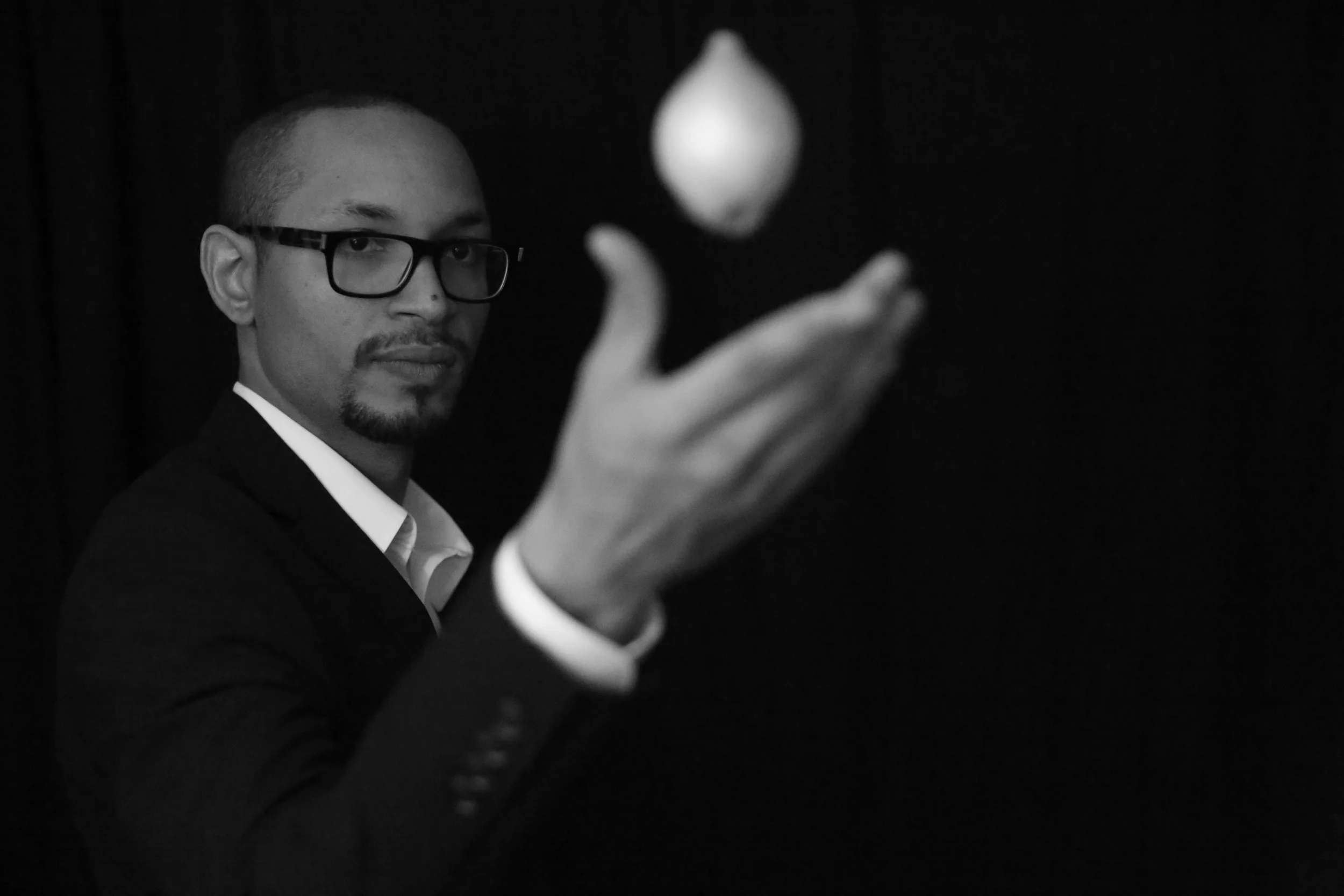
I had never met or conversed with a vegan person before I decided to change my actions to align with my values. With the support of my wife Michelle, I decided to attempt what I thought was the impossible and change my diet. That was five years ago on Valentine’s day.  As it turns out, it's extremely easy to make chicken adobo or anything else I love eating without hurting anyone. Once I had the first hand experience I set out to tackle the issue in earnest.  In 2015 I created The Onion Knight Show, a free channel on Youtube dedicated to demystifying politics and educating people about how we can use the U.S. political process to end the oppression of people and animals alike. 

I published the first in depth policy interview with the first Vegan candidate for President; Clifton Roberts of the Humane Party.

 I also broke to the world the news of Dr. Breeze Harper’s nomination as Vice President of the Humane Party.

My advice to black folks that have reservations about going vegan is to stop selling yourself short.  You are so much stronger than a temporary urge you get to eat some particular thing over another or a stereotype that eating vegan is only for rich white folks. You can do ANYTHING you want to do.  Once you've transitioned, it comes effortlessly.

Follow Brian Here:

Youtube: https://www.youtube.com/c/theonionknightshow

Facebook: https://www.facebook.com/OnionKnightsOath/

Twitter: https://twitter.com/_TheOnionKnight

Instagram: https://www.instagram.com/onionknightsoath/

FEATURE: Jordan Cates aka babegloss

My name is Jordan. I'm black, I'm queer, I'm a punk and I'm a vegan.

I'm also a drummer. My band is called Roadkill. We're punk and emphasize animal rights and veganism in our music.

I went vegetarian when I was 15 in 2012. I watched Paul McCartney's "If Slaughterhouses Had Glass Walls" video on YouTube which highlights the ethical side of vegetarianism. I went vegetarian immediately but was conscious that I wanted to go vegan because the video touched on the cruelty of dairy too, I just couldn't because I had no money for groceries. When I got a job last year, I knew I wanted to go vegan soon. I'd already made the switch to non-dairy milk and joined a bunch of vegan groups on Facebook, but that was about it. I lived off of chips and salsa for two weeks because I had no idea what vegans ate. I went on Pinterest and also watched YouTube videos and finally gathered enough information to switch to a plant based diet to the best of my knowledge and I did it! I just recently cut out all palm oil because I found out that it's not cruelty-free.

I am plant based for ethics 100%. The health benefits are just an upside.
But don't get me wrong, veganism isn't just about eating a plant based diet. It's about doing the best you can to not contribute to animal suffering, which is why I think that anyone who is against exploiting animals and does their personal best to not participate in exploitation and advocates for animals is a vegan.

I personally have a pretty severe case of social anxiety, so I don't do much advocacy in real life, I do most of it on social media. I may go partly freegan in the near future because it fits with my ethics more perfectly and I believe it's the more cruelty-free option. I also buy fair trade and second hand as much as possible because my veganism extends to humans as well.

I might seem extreme to some, but I don't always think the same way other mainstream vegans on social media think. I believe that we as vegans should be more inclusive because consumerism seems to be taking over the term, and I don't believe in all these pseudo-sciencey claims that tend to be believed by many vegans.

Some vegans I really enjoy watching on YouTube and that inspire me to think outside the box are Unnatural Vegan, Privileged Vegan and Abantu May.

I really hope someday to live in a vegan world. I believe we should do anything in our power to stop the slaughter, the captivity, the exploitation and the slavery.

#BVR

SOCIAL MEDIA

Twitter: @babegloss
Instagram: @angeldrip

Roadkill
Twitter: @roadkillsucks
Facebook: https://m.facebook.com/RoadkillMO/?ref=bookmarks
Instagram: @roadkilltheband
Tumblr: roadkilltheband.tumblr.com
YouTube: https://m.youtube.com/channel/UCoZ-DT6xKtlEUngsiFBk7qA

Sunday Black Vegan News Roundup

Another week has passed, and we have some exciting recaps and news to share with you that you may have missed throughout the week! Check it out below:


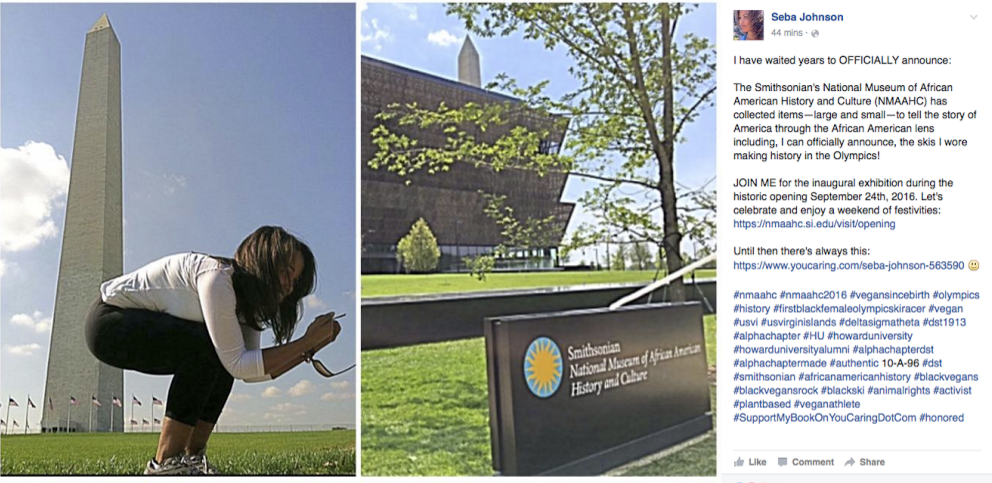
Seba Johnson's Skis Will Be in The Smithsonian's National Museum of African American History and Culture 

Screen shot taken from Seba Johnson Official Facebook page.

This is a super exciting announcement. As some of you may know, Seba Johnson is a life-long vegan and she was the world's first Black person to ever ski at the Olympics. The museum will be opening in September. 


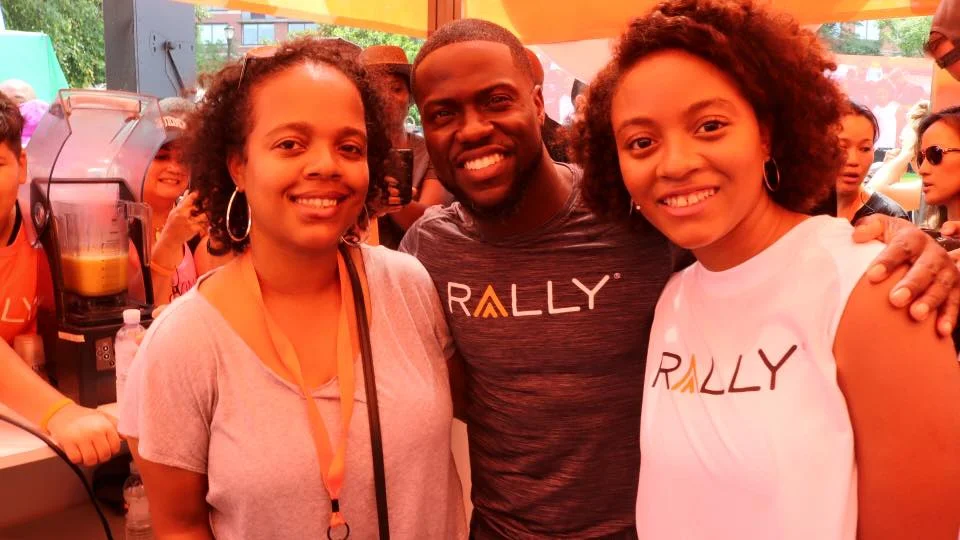
Haile Thomas Meets Kevin Hart at HeatlhFest

Haile Thomas, a 15-year old vegan activist and chef who has already done ground-breaking work had a chance to meet Kevin Hart at HealthFest over the weekend as she served healthy delicious smoothies! Congratulations Haile!


Black Vegans Speak at World Vegan Summit

Black vegans were in attendance at the World Vegan Summit at the University of California Berkeley including Kirsten Ussery of Detroit Vegan Soul, Genesis Butler of A Vegan Child's Journey, Milton Mills, M.D., Kenneth G. Williams, and more.


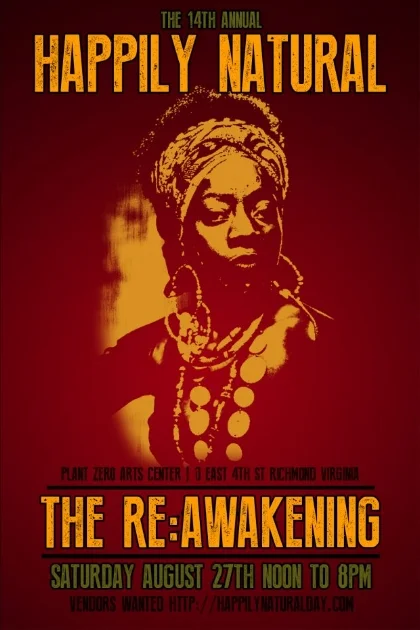
Get Ready for the Happily Natural Day Festival

Founded in 2003, Happily Natural Day Focuses on Cultural Awareness, Holistic Health, and Social Justice. Happily Natural Day, originating in Richmond, Virginia, is an African Heritage festival committed to cultural awareness, holistic health and social change. Khepra Anu is going to be one of the speakers. The festival takes place on August 27, 2016! Mark your calendars. Click HERE to learn more. 


Get Ready for Vegan SoulFest

Vegan SoulFest officially kicks off on August 20th in Baltimore, MD. Be sure to read about the organizers Brenda Sanders and Naijha Wright-Brown. Check out the event HERE


Sistah Vegan Volume II Call For Papers

In 2010, Lantern Books published the groundbreaking anthology Sistah Vegan, edited by Dr. Amie Breeze Harper. Dr. Harper, of the Sistah Vegan Project, will be organizing and editing a sequel to Sistah Vegan called The Praxis of Justice In an Era of Black Lives Matter (working title). Deadlines for Abstracts are August 15, 2016. Read more about this project HERE

FEATURE: Reg Flowers

I’m uncomfortable sharing my vegan identity in the same way I’m uncomfortable discussing my sexuality, especially when I’m talking to people I don’t know well. The questioner will often insist on a “simple” answer when an intersectional analysis reveals these questions as infinitely complex. When asked “Are you vegan?” by vegans, I assume the primary concern is the consumption of “meat” or products made from animals, but my vegan identity goes deeper than that. My practice of veganism involves avoiding, as much as possible or practicable, the exploitation and suffering of others. My veganism includes the exploitation of humans (certain of whom are categorized as “less than” and labeled “animals”) as well. My veganism includes the environment, upon which we all depend to live, and whose misuse causes immense suffering for species of all kinds all over the world. I question whether vegans I encounter, care who picked their organic bananas or how much that person was exploited. Basically, I don’t experience the word “vegan”, as used in modern contexts, as sufficient.

I became a vegan for pretty much the same reason I’ve taken on any identity: Life punched me in the face and said “Welcome to who you are now”. I had been slowly awakening as a social justice advocate, mostly because it brought me into a community where I was welcome even though I was of African ancestry, same-gender-loving, not-quite-cis-not-quite-trans, raised in a working poor family and other aspects I’m still not as comfortable sharing. Exposed to that community, I discovered tools for better understanding the systems that made moving through life just a bit more challenging than I believed it should be—certainly more challenging than the dominant narrative would have me believe. Going vegan, which I did initially for health reasons, created the space to get perspective on beings I had only allowed myself to be conscious of as food. It wasn’t that hard to make the association between the treatment of non-human animals and the treatment of “sub-human” humans.

As an artist, an activist and an educator I find myself engaging more around issues of structural racism and patriarchy than I do focusing on animal-rights advocacy. The people I care about most, the people who are suffering in front of my face are under siege by the police, under threat of eviction, assaulted because of gender-nonconformity, and targets of other forms of structural violence. Many in the vegan community (at least as I encounter it through my engagement with social media and the internet) don’t get that. It makes it frustrating and it makes the space pretty hostile for anyone trying to draw these lines of connection. I come into these spaces to expand myself and see the movement grow and, instead, often find myself under attack. As a result, I’m working to create a physical space in Detroit (altspacedetroit.org) where I hope to provide safe space for people who have historically been on the margins so we might better center ourselves in our activism, creativity and personal development.

Here are some videos from Reg's YouTube Channel: 

FEATURE: Holly Draper

In February I was in the midst of emotional turmoil. I was losing my job, going through heartache with a failed relationship, and felt lost on which direction in life I should go. The only thing I did know was that I needed some form of healing. After starting counseling sessions to heal emotionally, I sat around and thought about a more physical approach to recovery.

As a former vegetarian, I especially noticed with my return to meat-eating that I felt nauseated, and plain disgusting internally and externally. I was binge eating, and my skin was constantly breaking out. I decided that if I truly wanted to heal holistically, I should start internally with what I eat. With plans of returning to vegetarianism, I found a great 30 day detox that would help me transition back into the plant-based world. The detox required me to maintain a mostly raw vegan diet and even provided great recipes and a schedule to go by.

By the middle of my detox, I realized that being a vegan isn't as hard as I originally thought and continued to maintain the vegan aspect of my diet. My journey as a vegan so far has been very fulfilling. I've inspired others around me to up their intake of fruits and vegetables. When I'm traveling I love to bring friends with me to black-owned vegan restaurants so they can feed their curiosity. Most of the time they really enjoy their meals. My personal goal is to eventually become raw vegan. I have a long way to go within my journey to reach that place, but I will slowly but surely get there.

Social Media:

Personal: 
Instagram: @loveearthsista
Website: www.loveearthsista.com

Business:
Instagram: @shopdraped
Website: www.shopdraped.com

FEATURE: Tracye McQuirter, MPH

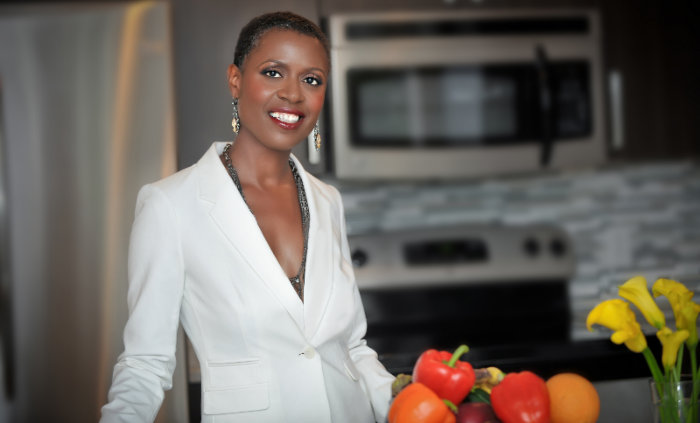
Tracye's homepage pic - full.png

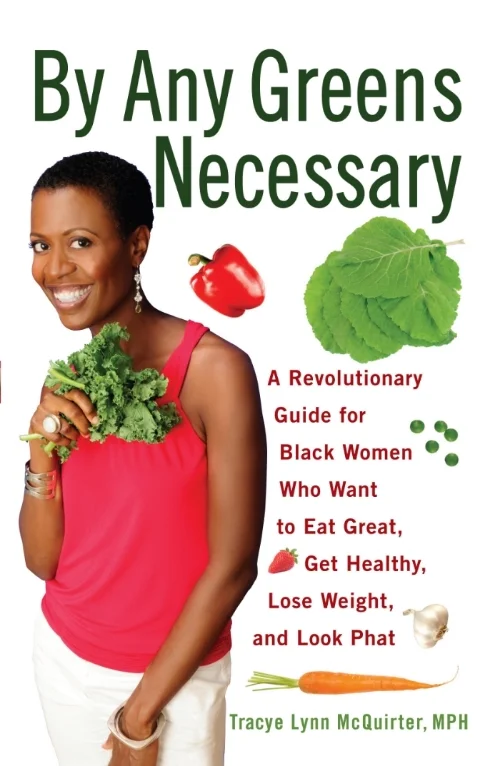
A vegan trailblazer, public health nutritionist, author, international lecturer, and 30-year vegan, Tracye McQuirter, MPH, has been teaching people how to become healthy vegans for more than 25 years. She was named a national food hero changing the way America eats for the better by Vegetarian Times and her national best-seller, By Any Greens Necessary, was the number one recommended vegan book on The Huffington Post.

BAGN Cover High Res-300 dpi.jpg


Tracye co-founded the first vegan website by and for African Americans nearly 20 years ago with her sister, Marya McQuirter, PhD, and has been credited in part with increasing the number of African American vegans and vegetarians to more than 3 million people. 

Tracye's been featured in more than 100 media outlets, including CBS News, Fox News, The Washington Post, The Huffington Post, NPR, Ebony, Essence, and VegNews. She was also featured on the cover of Barefoot Vegan magazine.

She has a master’s degree in public health nutrition from New York University and a bachelor’s degree from Amherst College. Tracye served as program director of the nation’s first federally funded vegan nutrition program, the Vegetarian Society of DC Eat Smart Program. She also served as a policy advisor for the Physicians Committee for Responsible Medicine, helping to create the strategy for a groundbreaking lawsuit proving food industry bias in the formation of the U.S. Dietary Guidelines.

As a national authority on preventing and reversing chronic diseases in African American women using plant-based nutrition, Tracye served as nutrition advisor for the Black Women’s Health Imperative, the largest health advocacy organization for black women.

As an adjunct professor at the University of the District of Columbia, Tracye designed and taught a plant-based nutrition curriculum for the District of Columbia Public Schools System to help prevent and reverse childhood obesity in Washington, DC, in partnership with the USDA and First Lady Michelle Obama's Let's Move Campaign.

Tracye is an advisory board member of the New York Coalition for Healthy School Food, the PlantPure Nation Foundation, Black Vegans Rock, and Hip Hop is Green, and is a co-founder of We Feed Our People and the Black Vegetarian Society of New York. Learn more about Tracye at byanygreensnecessary.com.

"My being vegan, eating the healthiest way I can, is an act of self-love, self-care, self-preservation, and self-liberation. And when I help other people learn how to eat healthier, it's a communal and global act of love, care, preservation, and liberation."
Tracye_vegan.jpg