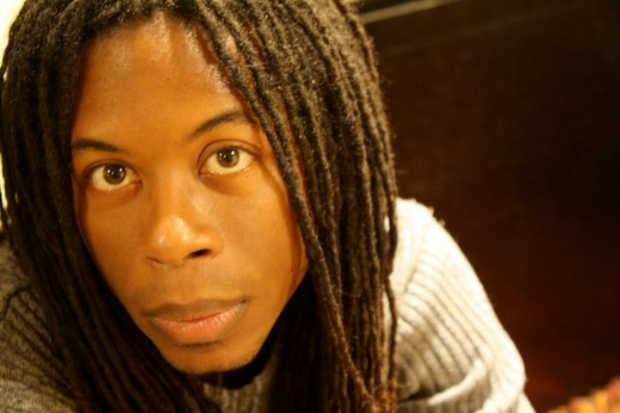
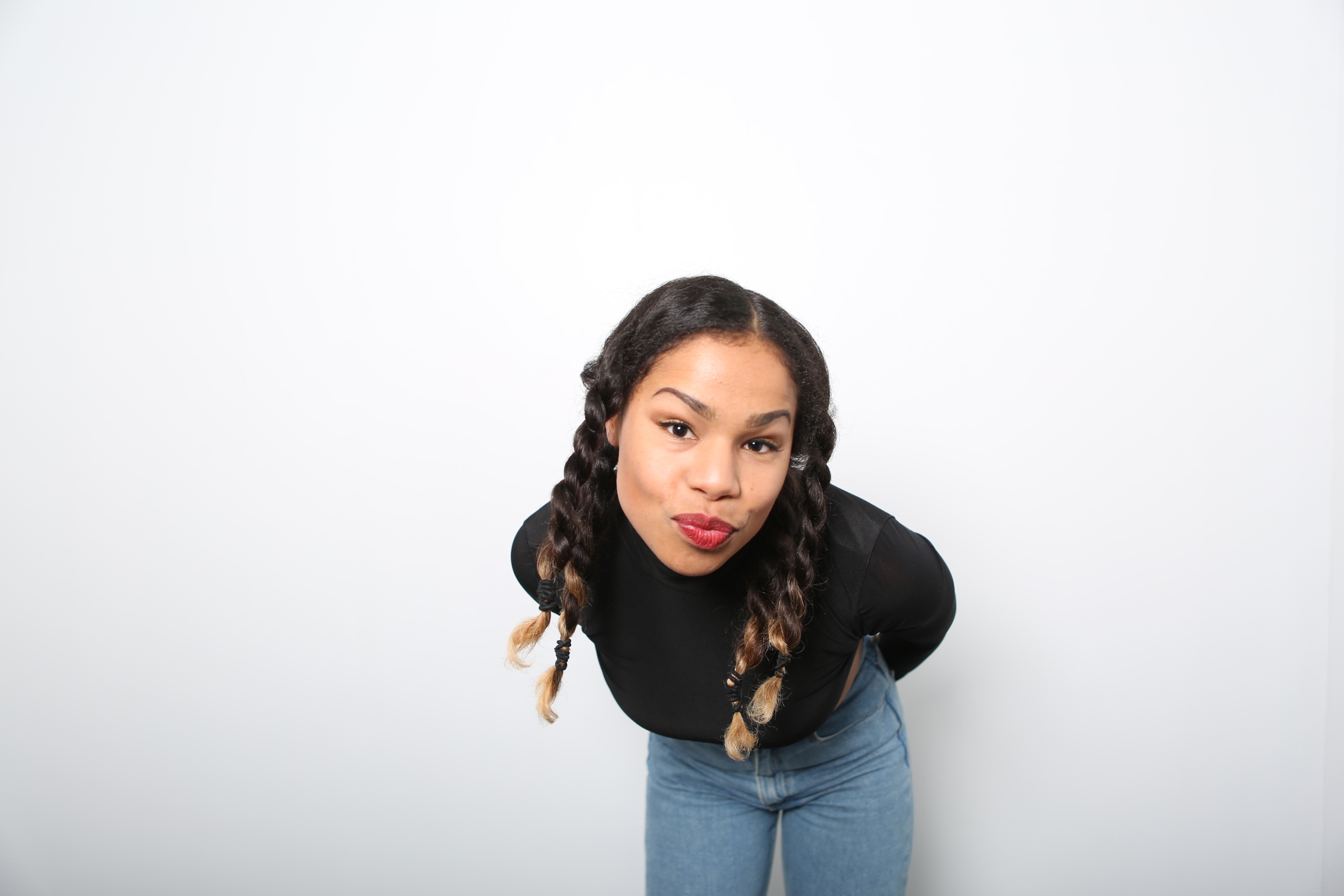
FEATURE: Joana Fatondji (The Afropean Vegan)


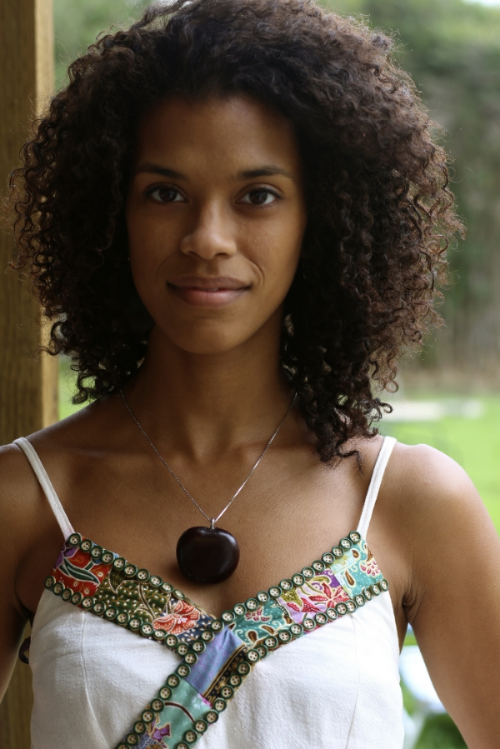
My name is Joana Fatondji. I am 26 years old and I am mixed, my mum is German and my dad is from Ghana. I lived in Ghana for 3 years until the age of 6. Being African was always my understanding of my Identity so back in Germany I was deeply involved in the Black community.

Today I see myself as the best of both worlds and so much more since I have grown more spiritually and free. 

I was always looking for a way of combining my talents, skills, and passion to uplifting our African community but never really got it together (because I have identified myself as multi-passionate and -talented). 

In the last 12 month I have undergone a huge transformation and just went to do everything that I always had the desire to do as well as quench my thirst for knowledge and understanding.

I quit my job as an accountant (I have a bachelor´s degree in International Business). I became a volunteer at the organization called Love from Africa, I started to dance again, this time traditional african tribal dances (dancing has been my element since I was a child), I played theater with refugees, and I was on my way to start a business as a fitness instructor of an afro-dance fitness workout called Shakuma....soon to come ;)
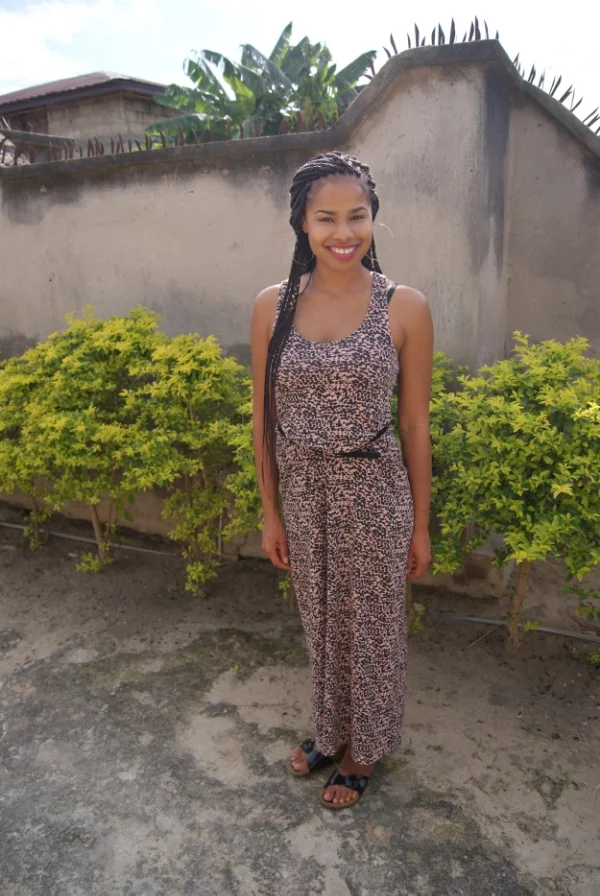
All along doing all those things I went from being a pescatarian to being a vegan with conviction, believing that this is the only way to bring holistic healing not only to body, mind and soul. but also to ending world hunger, CO² emission, and other unbalanced factors on this planet/gaia.

My vegan  journey started with informing myself more and more about healthy foods and on that quest you can´t avoid finding information on where our meat comes from. After watching several documentaries, I didn't want to continue to eat animal bodies nor promote this industry any longer because I personally believe that anyone who watches a documentary about meat production, slaughterhouses and so on will know that they are part of the problem. So I first became a pescatarian for also most 3 years, continuing to eat fish (At that point, I didn´t have much  information about the "production" of sea food yet). But getting deeper and further along on my spiritual journey, I made more and more connections including the connection of our human suffering to the suffering of so many innocent living and feeling beings.

I believe 100% that as soon as we know about anything wrong we must change, stand up for it, and stand in for people and animals who are suffering under us.

With the journey I have embarked on, I want to contribute to raising awareness of animal rights, human rights and nature rights because so many people want to stay ignorant to issues that are not directly in their faces. And I also want to be able to offer people a way to achieve health, vitality, spirituality, longevity and joy through a holistic approach to health of body, mind and soul through live foods.

My course to be a raw/vegan/ Ayurvedic nutritionist starts next month and as I am writing this, I am sitting in the Social Impact Lab which is a platform that supports young entrepreneurs who want to tackle a societal or environmental problem with their business idea. 

Now I need to gather facts/evidence that will convince the pitch judges that the (German)- African community suffers from diseases caused from an unhealthy lifestyle including bad eating habits. That is the cause of many other problems they face in this society like not being able to 'perform'/ excel. 

If you could help me gather any information about this topic I would appreciate it a 1000 times. 

Together we can do so much, I know you know ;)! I love the page and support the mission 100%
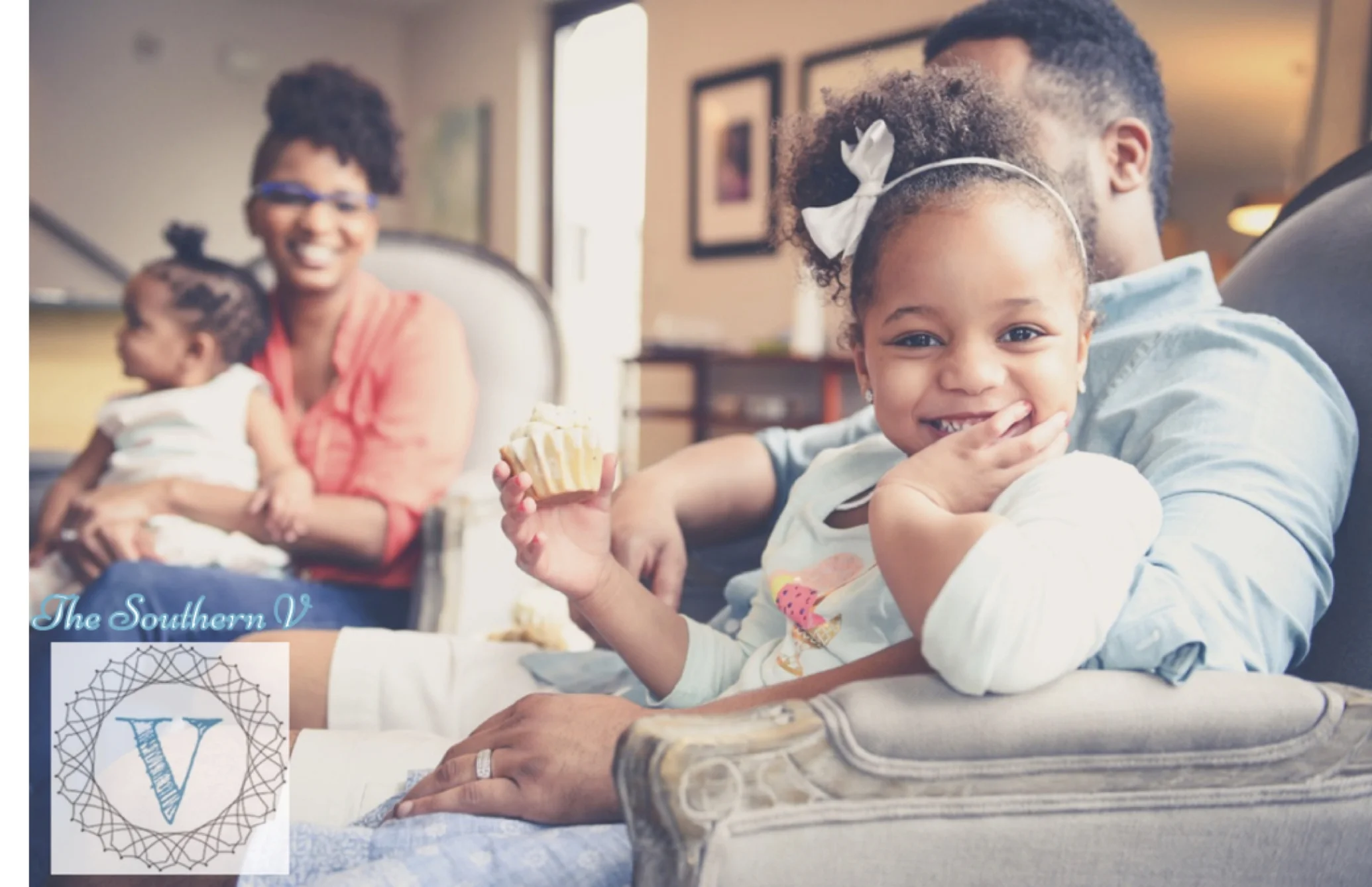
 

FEATURE: The Southern V

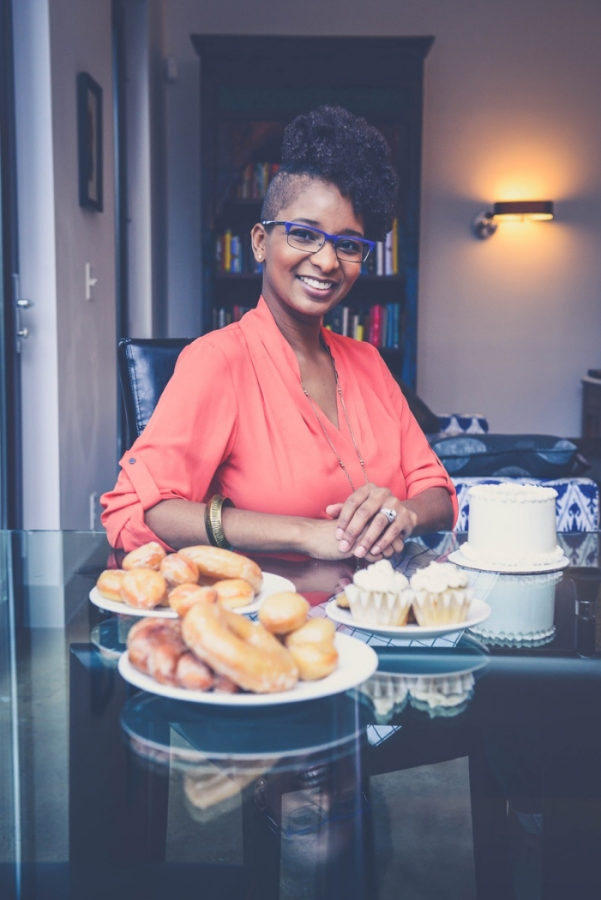
Transitioning towards a Vegan lifestyle was fairly easy for our family given the dairy intolerance and more severe allergies that our youngest daughter experienced.  The ethical reasons only helped propel us as well. However there were limited options for Vegan sweets, and a meal without dessert is just cruel right?

 Self-taught and naturally creative, Tiffany went to the lab to get cooking.  Creating Nashville's first and only vegan ice cream cake and beloved "KK" style glazed yeast donuts, vegans and non-vegans are loving that their tastebuds can't tell the difference!

We have dedicated a lot of time mastering our craft and are confident that you will taste the authenticity. People are amazed that so much flavor can come from treats that are free of dairy, eggs, soy, artificial coloring or flavors, and animal-derived products. Our hope is to educate others through food. Once you try us, we will convert you! Our belief is that if you can find a cleaner, allergy-friendly and cruelty-free substitute, why wouldn't you make the switch to veganism?

The Southern V storefront is slated for a Summer 2016 opening and will include a cafe menu and by-the-scoop ice cream offerings. Currently, you can order online or find us at pop-up locations and events around the city. If you are in or around the Nashville, TN area, be sure to find us at Nashville's first Vegan Festival on April 9, 2016 from 10am-4pm on Vanderbilt University's Campus.

Links:

www.TheSouthernV.com

www.Facebook.com/TheSouthernV

www.Instagram.com/TheSouthernV

FEATURE: Fa Chun

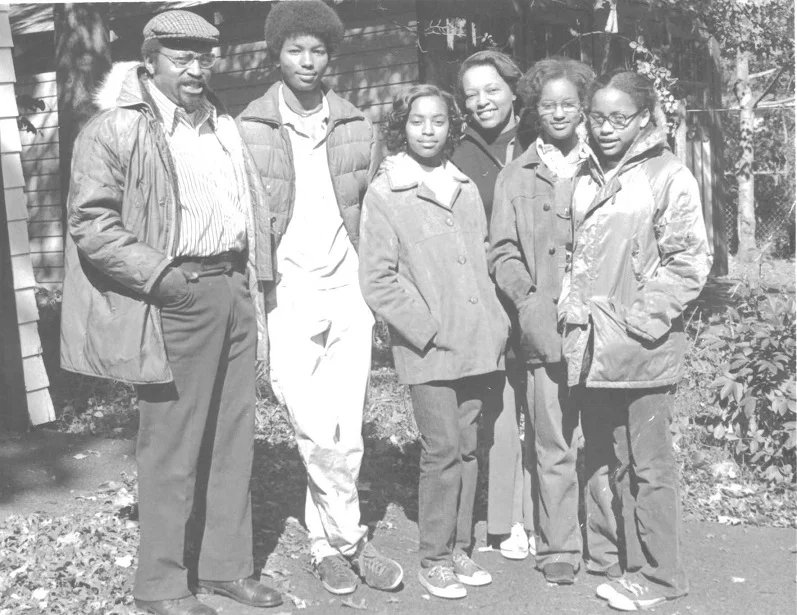
Photo from 1974 of my parents and siblings.  I’m 2nd from the right.

Photo from 1974 of my parents and siblings.  I’m 2nd from the right.

I grew up on the East Coast in the 1960s, and I became a vegetarian as a teen, a lifestyle unlike the majority of people in my suburban community.  At that time, I strongly felt that being aligned with a mainstream, meat-eating society was unjust; primarily because the amount of resources needed for meat and poultry production was/is significantly more than what is necessary to produce food for a healthy, plant-based diet.  Tassajara Cooking by Edward Espe Brown, and Diet for a Small Planet by Frances Moore Lappé, were books that influenced me during that time.  In the mid-1970s and early 1980s, I attended college; lived in three states; studied dance and visual arts; and worked with students at Rutgers.

Fast forwarding to the 1990s, I walked away from an active life in Hub City and a position at a civil rights law firm in NYC, moving cross-country to the Sonoran Desert. 

I became a foster-parent; then a mother by adoption; and now I’m a nana.  I have been employed for twelve years as a social worker.  Prior to that, I did criminal defense mitigation work; behavioral health support for needle exchange clients; and advocacy for people living with HIV/AIDS.  We have also been involved with rescue work benefiting animal companions.  

Three years ago, I became the second Black woman ordained in our Chán (Zen) order.  From a spiritual point of view, the vegan lifestyle compliments Buddhist practices for moving beyond an illusory sense of self, as we say, to ultimately embrace Śūnyatā (emptiness or openness).  I must confess that I did not become completely vegan until Dec. 2015.  Why go vegan after being vegetarian for so long? In part because my commitment to ending the suffering of sentient beings, at least as far as what I ate, had been inadequate.  

Why shouldn’t I, a person of relative affluence compared to people in impoverished communities around the world, take my diet to the next level?  How might I have been complicit in the suffering of other beings?  Buying cage-free chicken eggs?Yeah, that still promotes suffering.That half-and-half in a breve latte?  Not okay, really, when milk from a cow was designed for her calves.  Acres of land used to graze cattle and other animals that could be used for other purposes or left alone? Clean water appropriated by the beef and poultry industries, or fish farms, when people are forced to drink unsafe water from contaminated pipes?  Thanks, but no thanks.  

Circling back, the reasons for becoming a vegetarian, for me, were the reasons to become a vegan.  It wasn’t too difficult once I became a hard-core, incredibly diligent, label-reading consumer. Little did I know initially that as an added bonus, giving up dairy would improve my overall health.  And really, when we are blessed with many options, why not do what is best for the greatest number of human and non-human beings?  Fortunately, where we live in Southern Arizona, there are opportunities to purchase reasonably priced fruits and vegetables from groups like the Borderlands Food Bank’s Produce On Wheels Without Waste, or the Market on the Move, since we are so close to Mexico.

What’s my advice if you’re considering veganism but worry that it’s too extreme, difficult or expensive?  I am the only vegan in my household; however, everyone at home now eats more fruits and vegetables, so it’s all good.  There are lots of materials you can find online like Black Vegans Rock; or just Google Black Vegans to find sites like Vegans of Color; or go to a library and check out a book or two.  You can even find free or low-cost vegan books for your Kindle on Amazon.  Speaking of money, I have found that I have a little more change in my pockets since I don’t eat so-called convenience foods from places like Starbucks or the corner mart.  

Still not convinced?  Try meditating on the idea that human and non-human beings are interdependent; that all beings suffer; but the good news is, you can make positive choices to diminish the suffering of others as you become healthier.  

LINKS

Twitter: @eight4878


FEATURE: Joshua Black aka Urban Black Vegan

My name is Joshua Black aka Urban Black Vegan and this is my story. I've been a vegetarian/ vegan for more than 25 years. I started as a vegetarian over 20 years ago. The problem was I had become an unhealthy junk food vegetarian. A lot of fried everything, pizza and processed foods. This led to diabetes, weight gain and the associated complications . At this point I was a very sick vegetarian, suffering from low self esteem and a sense of failure. 

Until one night , July 4th 2011 at about 11:30pm I remember it clearly, I came across the documentary Fat Sick and nearly Dead. This documentary literally changed my life. I was able to relate to the story which shifted my thinking. It's hard to explain but it was as if I had been reprogrammed to think differently. The next day was the start to a 31 day juice only fast. I lost over 50 pounds, reversed my diabetes, dropped all medication, blurred vision, neuropathy and self esteem issues,. This is when my vegan journey really started to take root.

So after my 31 day Juice fast I committed to a healthy vegan lifestyle, I incorporated a lot of physical fitness and reactivated my gym membership. I was so inspired I became a certified personal trainer and began to share my testimony on the healing power of food.

Fast forward to today I have launched a Youtube channel Urban Black Vegan which covers issues such as food choices, how to transition to a plant based diet, social and political issues surrounding food, weight loss and information relatable to helping the black community understand the ethical and physical benefits of being vegan. I look forward to speaking to groups, growing my youtube channel and finishing my ebook The $5. Vegan (A guide to eating and living healthy on a budget).


Social Media Platforms

website: 
urbanblackvegan.com
Facebook: 
facebook.com/urbanblackvegan
Twitter: 
twitter.com/urbanblackvegan
@urbanblackvegan
Instagram: 
instagram.com/urbanblackvegan
@urbanblackvegan

FEATURE: Alise Eastgate

I am a biracial black vegan and visual artist, born in Europe and raised in Louisiana. My overlapping identities influence my creative and activist work by consistently challenging me to explore connections within systems and ideologies.

A life-long animal lover, I first explored vegetarianism when I was in elementary school; I tried again in middle school and high school but didn't have the knowledge or resources to stay vegetarian for more than a few months at a time. When I was vegetarian, I usually defaulted to eating some form of bread and cheese, and I didn't have a critical analysis around my choice. I just knew I loved animals and didn't want to contribute to their suffering, and that eating them wasn't in line with that core understanding. 

I spent time on animal farms and grew up riding horses; but I didn't make the connections between animal exploitation, entertainment and food systems until many years later. I studied studio art and geography at the University in Alabama, and spent a semester abroad in New Zealand. Traveling gave me new perspectives on race, culture, language and meat consumption and more experiences on farms that would eventually lead me to the path of veganism.

In 2010 I had a critical awakening that challenged my beliefs and my actions. I was helping out on a sheep farm in New Zealand, and a friend of a friend's working border collie was pregnant with puppies-- a perceived inconvenience.  The puppies were born on Christmas Eve and on Christmas morning, the friend of my friend drowned them all. This was really upsetting for me, and I was told that it was the only choice and somehow better for the puppies. Later that day we had lamb for lunch and I started to realize the lack of alignment in my feelings and my consumption choices. How could I be distraught about one and on the same day eat the other? About a month later, when I was back in Louisiana, I decided I could no longer eat lambs.... or cows or pigs or chickens or turkeys, and I went pescatarian. I remembered how isolated I felt as a vegetarian in my childhood so I thought this choice might be an easier compromise.

2011 was the year I adopted my canine companion, Zoey. Living with her further broadened my understandings of sentience and compassion. 

Zoey and I moved to Oakland, California later that year, and that's where I first encountered veganism and got curious about food and food systems. There, I met my partner, Jack, who was raised in Fiji between a seafood restaurant and a cow and sheep farm; he shared my curiosities and concerns about food and went pescatarian too. We took a trip to Fiji in 2012 immediately following a cyclone. The cyclone significantly limited the availability of fish as food, so we ate almost all vegetarian meals and actually felt pretty good. While there, we also did some snorkeling and diving that opened our eyes to the sentience of underwater creatures; I realized that eating fish and other sea creatures wasn't in line with my values either. So upon our return to Oakland, we both decided to become vegetarian.

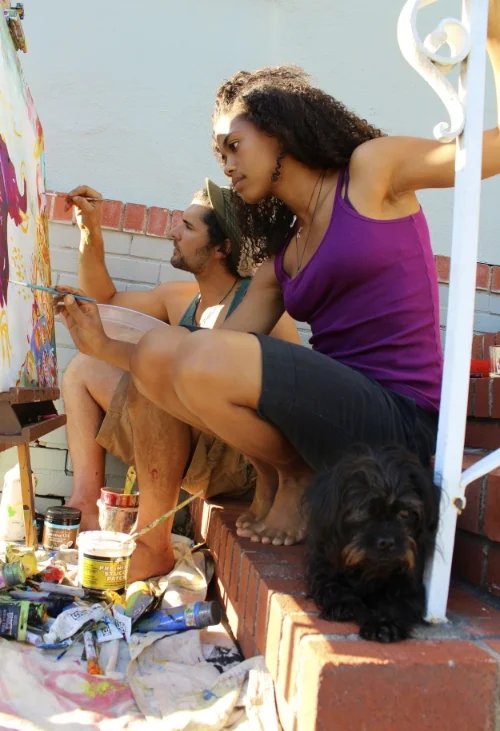
Photo of Jack, Alise, and Zoey

Photo of Jack, Alise, and Zoey

A couple of months into going vegetarian, I found myself eating meals comprised mostly of bread and cheese again, and I was feeling pretty miserable. Knowing that my symptoms were coming from lactose intolerance, I decided to cut out dairy as an experiment. It went well, for a couple of weeks at a time, and then I would have pizza and felt miserable again. I was pretty lost as to how to cook without dairy, so I started following vegan recipe blogs and trying new restaurants.

When I was cookbook shopping, I stumbled upon and bought a copy of “Sistah Vegan: Food, Identity, Health, and Society: Black Female Vegans Speak“ and reading that was incredibly powerful for me. It opened my mind to the many layers and systems connected in animal oppression and also gave me the language to articulate my own journey into veganism. I went on to read books including Majorie Spiegel’s “The Dreaded Comparison: Human and Animal Slavery“ and Carol J. Adams'  "The Sexual Politics of Meat: A Feminist-vegetarian Critical Theory" that further fueled my curiosity and my commitment to veganism. I shared these books with Jack while he simultaneously shared other resources and perspectives with me, and we fully embraced veganism together in 2013.

Jack and I partner in art and design through our joint project, EastRand Studios; we use painting, design and photography to share imagery promoting compassion and challenging systems of oppression. In 2015, I did the sketch and watercolor images and Jack did the design magic for The Vegan Praxis of 'Black Lives Matter' Conference. That piece is what got us connected with Aph about doing the branding and web design for Black Vegans Rock! I really love this platform, and the movement building that's happening here, and I'm stoked to be able to bring my creativity to it. 

I love to travel and explore global perspectives on veganism and animal rights. In 2014, Jack and I lived and worked in Fiji and we've since explored more of the south pacific, U.S. and Southeast Asia. We currently live in Oakland, CA with Zoey, who is now also vegan.

Creative portfolio: www.aliseeastgate.com

Blog: www.eastrandstudios.com/blog

Facebook: https://www.facebook.com/alisenicvic

Instagram: https://www.instagram.com/eastrandstudios/

Bria Bea: Things To Stop Saying to Black Vegans!

Being vegan can be tough in a culture where the consumption of animal bodies is normalized. However...being a Black vegan can come with it's own unique set of awkward experiences and interrogations, especially when veganism is still considered to be a "white" thing. #untrue #blackvegansrock

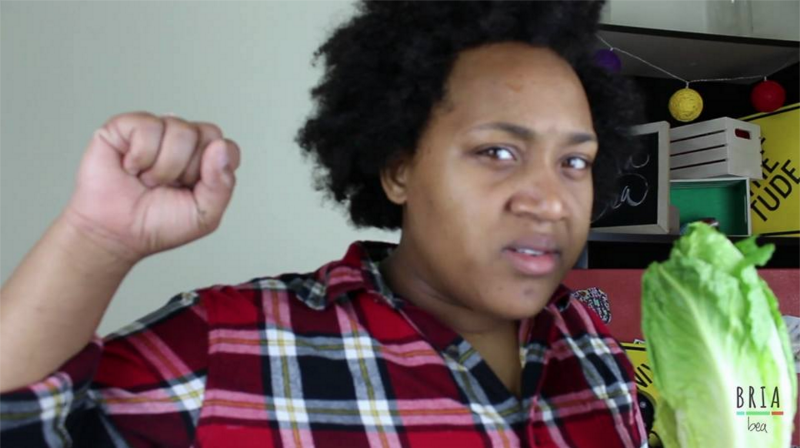
In this funny video, Bria Brea, a YouTuber and two-year vegan explains why some folks need to stop saying certain things to vegans (especially Black vegans). Check out Bria's previous feature on BVR!

What are some questions and comments people keep coming to you with about your vegan lifestyle? Comment below!

A screenshot from the video. #blackvegansrock

A screenshot from the video. #blackvegansrock

FEATURE: Stephanie (Vegan, What?)

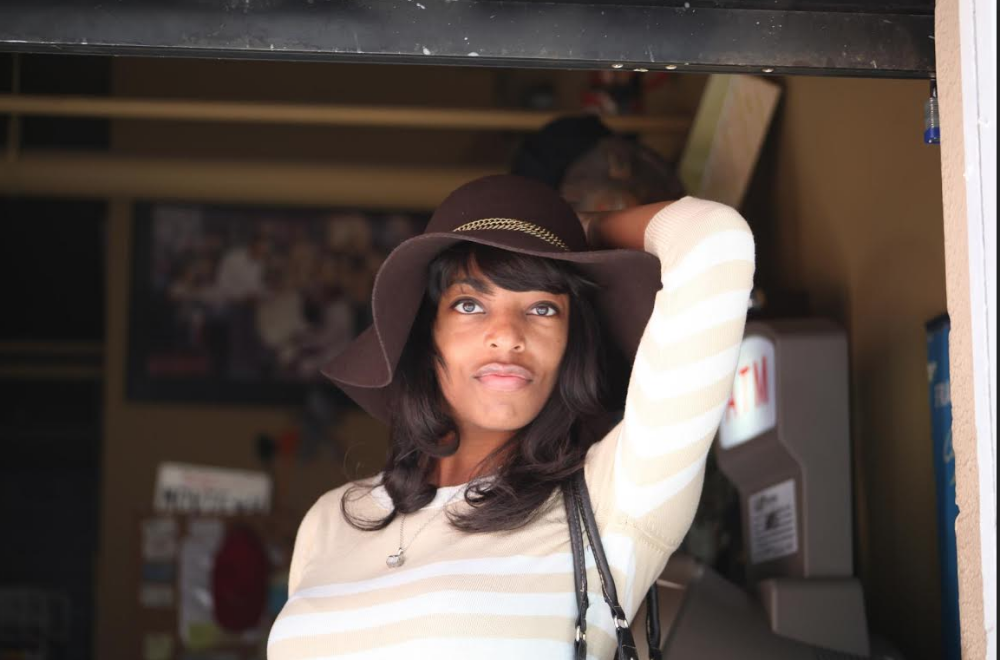
Hey Guys! My name is Stephanie and my Youtube channel is Vegan, What? I was born and raised in California, ventured out to the East Coast for a few years, and made my way back to the West Side (It was too cold over there lol). I love to make yummy vegan recipes, fitness videos, and share information on how to have fun being vegan. Through my social media platforms, I hope to entertain and inspire others to live a Fan-Vegan-Tastic life!

I began my vegan journey in April of 2011 and it's been an amazing transformation. I was tired of how my body felt and I knew I needed a change. I wanted to be more compassionate and kind to my body but I didn’t know how or where to start. But, I did remember hearing about Alicia Silverstone’s book The Kind Diet. I went online and did a little research and decided that I needed to check this book out. When I received the book in the mail I was excited and nervous at the same time. I wanted to see what new and delicious food I would be trying but I didn’t want to hear about how terrible I was for eating meat.

So, I proceeded with caution. “I’m just going to be a flirt,” I said, which in her book means to just try and incorporate some vegan changes into your life from time to time. No commitment. That’s exactly what I wanted, no commitment! As I continued reading the book I realized that by eating meat and dairy, I wasn’t just affecting my health, but I was also contributing to the pain and suffering of animals and their babies. I continued to research veganism on the web and by watching documentaries. One day I was finally faced with the question “Am I going to make a change or not?”

So, I decided to take the plunge and go vegan. Wow, it’s been such an amazing experience and the benefits are endless! I lost weight and became about 99% asthma free (I only use my inhaler when I’m sick which is so rare these days). It was like my body had been waiting for me to make this change. I’ve met some wonderful people and animals, ate some delicious vegan food that I never would have had the chance to try, and feel completely as peace with at least one of my life choices.

Stephanie's Links

http://veganwhat.org/

https://www.youtube.com/user/veganwhat

https://www.instagram.com/veganwhat/

https://www.facebook.com/VeganWhat/

https://twitter.com/veganwhat


FEATURE: Christopher-Sebastian McJetters

Longtime vegan and social justice advocate Christopher-Sebastian McJetters divides his time between London and New York City. A copyeditor by profession, Sebastian is a staff writer at Vegan Publishers, part-time lecturer on speciesism at Columbia University and board member of Peace Advocacy Network. He focuses on examining the complex relationships between animal violence, environmental racism, classism, and capitalism.

Sebastian has also contributed to the anthology Circles of Compassion: Connecting Issues of Justice edited by Dr. Will Tuttle, UK-based Barefoot Vegan magazine, and the blog Striving With Systems in collaboration with Charlotte Eure, Aph Ko of Aphro-Ism, and Triangle Chance for All microsanctuary co-founder Justin Van Kleeck.

Read His Work: 

Christopher-Sebastian recently wrote a compelling essay for Striving with Systems called, "Animal Rights and the Language of Slavery" where he explains why we must be careful when we use slavery as an analogy for animal oppression. He says:

Basically what we're looking at is a pattern whereby blackness is used and commodified at different times and by different groups to further an agenda without offering any real type of solidarity on black issues. And if animal rights doesn't address this, our activism will be no different.