FEATURE: Nathalie Etienne

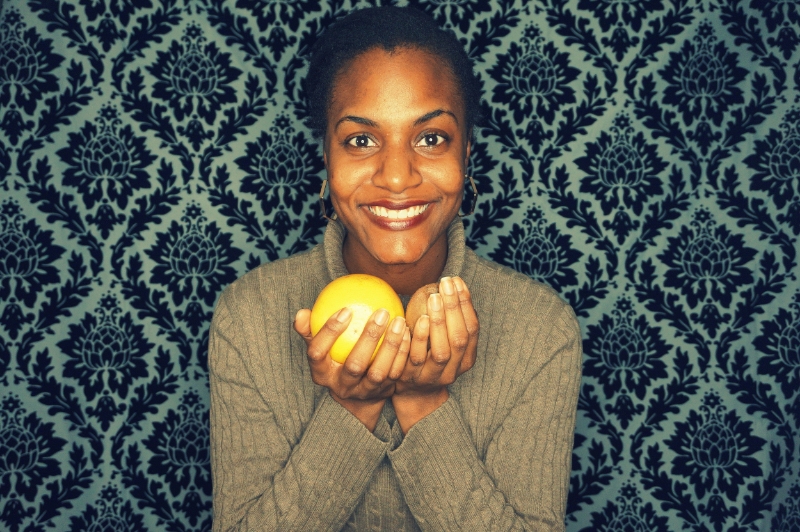
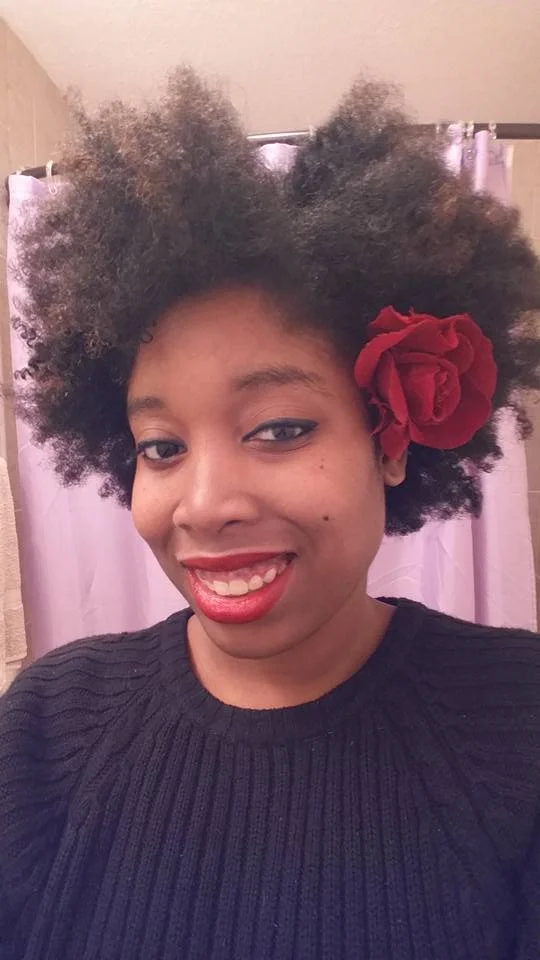
Hi, my name is Nathalie Etienne and I am a Caribbean-American vegan based in NYC. My vegan journey started during my sophomore year of college in 2012 when I started taking some time out to learn how I could possibly improve my well-being. I wasn't suffering from any illness but I was trying to figure out how I could integrate natural preventative care practices into my daily life. A lot of the information I received were from well studied naturopathic healers, such as Dr. Phil Valentine and Sister Queen Afua.  

After coming into the general realization that food is medicine and food can be healing. I decided that it was time to make a change. I was no longer going to consume meat, dairy, or any other animal products. After about six months I bounced back for a bit and went pescatarian, then vegetarian, until I finally went full on vegan again in the spring of 2014. Ever since then, I never looked back! 

 I started to fall in love with taking the time to prepare healthy delicious WHOLE foods, so much so that I started to blog about it! I created an Instagram page called @DOOSENYC where I feature Caribbean inspired vegan foods and desserts.Taken from the French and Creole word, "douce", which means, "sweet". I wanted to prove to my friends, family and anyone else who is watching that you can still enjoy good cooking and good baking while staying on a plant-based diet. I hope to continue reinventing traditional recipes in hopes of making my vegan experience that much sweeter. Thanks for allowing me to share my story! 

Links: 

Youtube Channel: https://www.youtube.com/channel/UC1S2NDh05QMSCQmS6GFIuIA

Google +: https://plus.google.com/u/0/+DOOSEbyNathalieNYC1/posts

IG: @DooseNYC

Facebook: https://www.facebook.com/Doose-NYC-11... 

Tumblr: http://cococurenat.tumblr.com/

Email: LifeisDoose@gmail.com

FEATURE: Victor

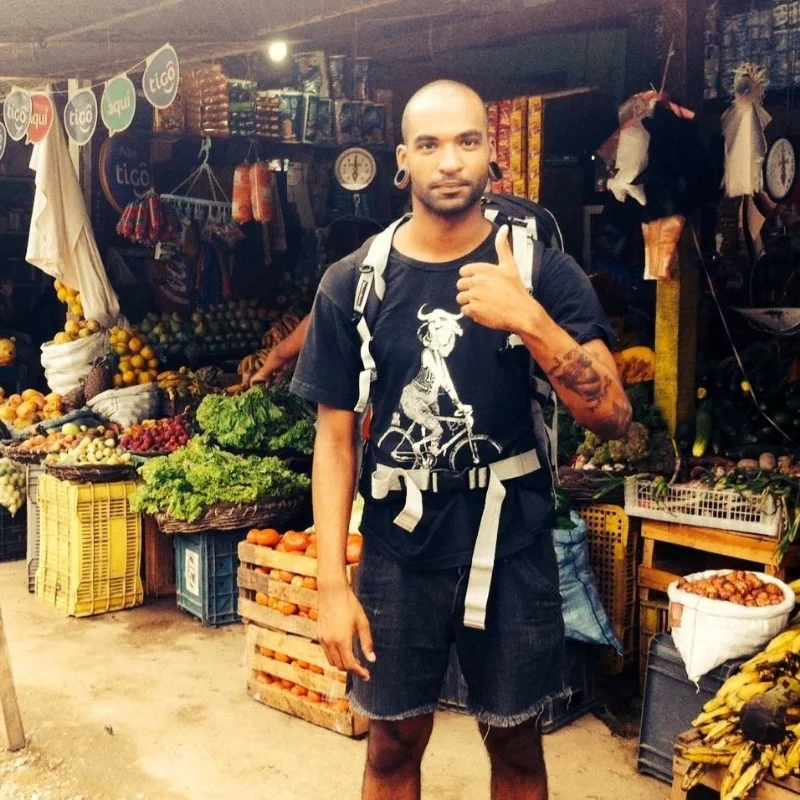
So, I started with veganism when I was 15 years old, a teenager. In the beginning I had no notion of what I could eat. I just ate rice, beans, and soy. My mom was worried about my health, but as the days went on, a huge universe of new possibilities emerged. I started to eat more fruits, more vegetables, more greens, more beans and grains. I also drank different kinds of vegan milks, and veganism became easier to me. 

Some of my friends (from when I was a teenager) tried veganism as well. Some are still vegan today, but others gave up soon after. Some tried veganism 11 years ago, but in Brazil, things like soy milk, seitan, and tofu were basically inaccessible. The vegan market here, over the past 11 years, has grown like it never has before. 

Black people in Brazil are still very much economically inferior to white people. I would argue that it's actually worse here than it is for the black people in the U.S. 

Here, sometimes, we don't have the conditions to buy the basic items for three meals a day, so to start to speak about vegetarianism or veganism is not just an ethical issue with animals...it's also a matter of autonomy and consumption. Veganism is an alternative space for us to escape from this poisonous market that advertises poor health and expensive products.

I think veganism is a form of empowerment for the majority of the black population here. We can start to live better and more empowered. People have no power if they don't have autonomy in their kitchens.

So, friends, let's be more courageous to drive veganism as a revolutionary way of the world, a world that's more peaceful and powerful, with life, without the submission of non-humans, and without the submission of our people in front of a non-healthy and expensive food industry. 

Veganism is the best choice I've made in my whole life. 

Personal Facebook: https://www.facebook.com/victor.garofano


FEATURE: Nana Kwaku Opare MD, MPH, CA and Ama Opare MA

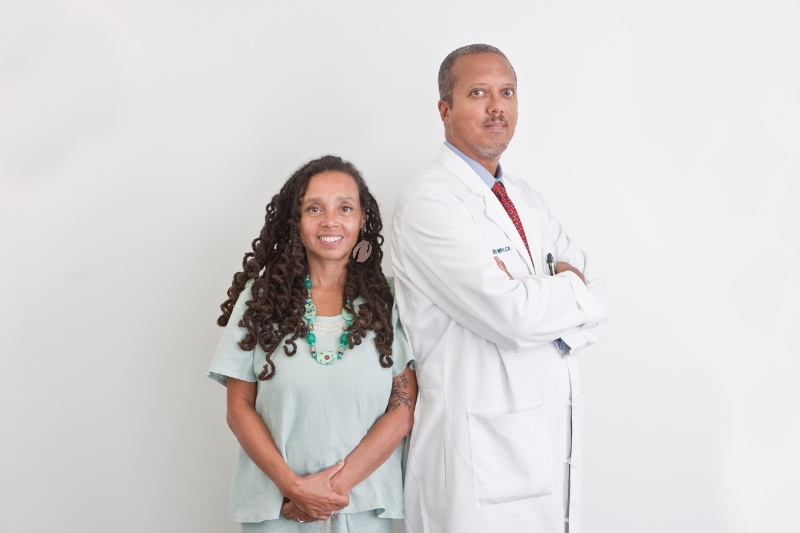
Nana Kwaku Opare MD, MPH, CA and Ama Opare MA are, published authors, educators and public speakers and co-owners of the Opare Institute and the wide-ranging website Food for the Soul — the online home for Black vegetarians, which is dedicated to helping end the epidemic of “food borne illnesses” that are plaguing our community. They have dedicated their life’s work to help people heal and prevent chronic diseases with a vegan and raw food lifestyle.

When Ama and Nana Kwaku met as youth in the Hyde Park area of Chicago 70s, among many similarities, they shared upbringings were they were encouraged to question convention and fight for justice.

Inspired by his adolescent desire to actually help people be healthy and not just manage their disease, Nana Kwaku moved to Berkeley and completed his professional training in food/nutrition/dietetics, public health, and medicine. He saw the dehumanizing hypocrisy and iatrogenic nature of standard allopathic medicine with its heavy reliance on drugs and surgery. Fed up, he sought out non-harmful and natural treatment alternatives going on to complete professional training in acupuncture and traditional Chinese medicine and later osteopathic manual medicine.

During early 80’s, motivated by the ubiquitous food borne (caused) illness in his family, determined not to succumb himself and, informed by his education, Opare began a slow transition towards a plant-based/vegan diet. He has been a strict dietary vegan, and for years at a time raw vegan, for 20 years. He credits primarily his pattern of food consumption for his excellent health.

Over the past three decades Nana Kwaku has had dual and eventually integrated practices in allopathic and alternative medicine. He terms his philosophy of medicine as Afrikan Natural hygiene. He believes the only rational way to approach a health challenge is to first and foremost clearly identify the cause of the problem and permanently remove it. He asserts that following what he entitled his book ones “Rule Book And User Guide For Healthy Living” will then create the environment where healing occurs.

Meanwhile, Ama had moved to Michigan and undertook studying education. However, she came to think that she wasn’t very smart. She always had problems focusing on the work she was supposed to do.

That all changed when Ama had her first child. Suddenly those very same texts she hated were interesting because they were important to her life. Ama’s self directed learning led her to devour a wide range of texts, subjects and experiences. And, she discovered that she was indeed highly intelligent and a deep thinker.

This discovery shaped Ama’s philosophy of education. She began to focus on putting the learner at the center of the process. What would happen if the student was the one to decide what was most important to focus on? How could the teacher guide and facilitate this process?

Ama watched her own children and her students flourish the same way she did. The learning was deep and real and made a difference in their lives.

In 2006, Ama was 49 years old, divorced, overweight, worried about her health, and eating the Standard American Diet (SAD). She had spent years as a vegetarian-wanna-be.

She felt out of control, unable to stop eating sugar, fast food and processed food. She couldn’t keep her weight under control. She was afraid she was headed for the same fate as her family; diabetes, high blood pressure or cancer.

She knew she should be eating better but didn’t know how to make it work. She tried to figure it out by herself, but ended up more confused than ever. Her diet got worse over the years and so did her health.

In  2007 Ama and Nana Kwaku reconnected. With Nana Kwaku’s help, Ama was finally able to make the diet and lifestyle changes she’d been longing to make. She became skilled at creating delicious vegan and raw dishes, and published a recipe book called “Food For The Soul From Ama’s Kitchen”. They were affirmed by each other’s intact sense of righteousness and fairness and soon married. They went on to found the Opare Institute in 2009.

Opare Institute was formed to teach people how to permanently end their struggles with their diet and their health. It combines Nana Kwaku’s decades of experience as a dietitian and physician and his perspectives on health and healing with Ama’s philosophy of education and 30 years of experience as an educator and curriculum developer.

Choosing a plant-based or vegan lifestyle is a revolutionary decision. They recognized that in order to address the reason why people fail, they needed to help people make a paradigm shift. Revolution requires new skills, and new tools.

All Opare programs are based on the Four Pillars of Success.

Pillar #1 Deep Self Understanding- Explore your inner emotional and psychological framework for your behaviors. Without this awareness you won’t understand why you do what you do, or how to change that framework to one that works.

Pillar #2 Common Sense Nutrition Education

Understand what your body really needs and cut through the confusing, conflicting information you hear and see all around you allows you to relax and stop worrying.

Pillar #3 Kitchen Mastery

Eating healthy doesn’t mean boring, tasteless food. It does mean you’ll need to upgrade your kitchen skills to learn the skills, tricks and recipes of the vegan kitchen and become a healthy gourmet in your own kitchen.

Pillar #4 Real World Navigation Skills

Few of us don’t have to navigate in non-vegan spaces. You need an effective plan for how to stay committed in these situations that addresses your needs based on the awareness you gained in Pillar #1.

With these tools you have the power and the freedom to create a sustainable healthy lifestyle that fits your schedule, your budget, and your goals.

Links

You can find Nana Kwaku Opare, MD and Ama Opare at www.opare.net

.For recipes and inspiration go to www.foodforthesoul.opare.net

For online courses go to www.opare.net/training

For their publications visit www.opare.net/store

 Facebook at https://www.facebook.com/OpareHealthCare/

 Twitter @OpareHealthCare

YouTube: https://www.youtube.com/user/oparehealthcare,  

Instagram @foodforthesoul.opare,

 Pinterest: https://www.pinterest.com/blackvegetarian/

FEATURE: Esosa E. (aka "RAW GIRL")

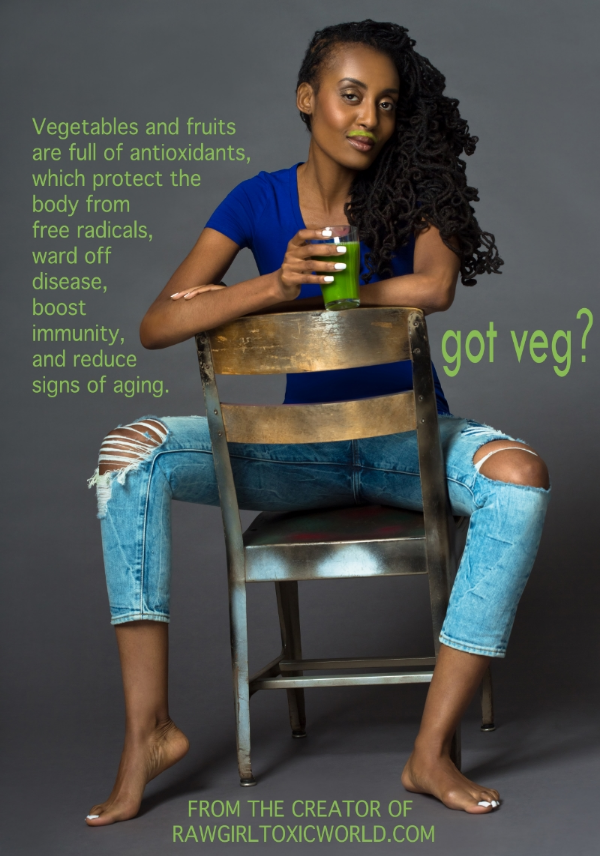
My adventure as a vegan started out as an informal student of health trying to absorb all I could about plant-based living to become the best version of me. That process has surprisingly led to me now serving as a teacher or guide for others who are looking for inspiration on their own paths to optimal health. 

It's been almost fifteen years since I first decided to cut out all meat and animal products from my diet. At the time, I just didn't like the way I felt eating meat and I was also lactose intolerant. While in college I was still vegan but eating a lot of junk food and getting sick a lot. I had a cousin who was a raw foodist who inspired me to consider going raw. Years later, my skin started to break out horribly and my energy was at an all time low. I remembered the raw vegan diet, and also started to learn a lot informally about holistic health from the Rastafarians and healers in my hood in Brooklyn.

I was able to completely heal myself of acne within a month and continued on with a vegan, but very high raw diet. When I moved from New York to DC, people constantly stopped to ask me about what I was eating or the health products I was using, so I decided to start a blog called Raw Girl in a Toxic World. The blog allowed me to share all of the remedies and new therapies I was reading about or trying on my own. From there, I started writing books. My first book is called The Acne-Free Diet, and it includes my journey, a detox plan, and how to heal acne for life from the inside out without pills, lotions, and acne potions that doctors generally prescribe. My latest book, Got Veg? How to Thrive on a Plant-Based Diet, is available on Amazon, iBooks, Barnes & Nobles and more. I wrote it to help anyone understand the basics of a plant-based diet, and the various levels they can aspire to. It focuses on nutrients your body needs to function at its best that people usually don't mention to plant-eaters and also includes how to transition, set up a veg kitchen, and some recipes to get people started. 

As a black vegan, I am excited to see awareness grown within our communities about health. More people need to understand that the myth that black people do not like healthy food is something that isn't true. The more we educate people about how food affects their spiritual vibration, their thoughts, actions, and eventually destiny, the more willing they will be to try something new. Part of what I am here to do is inspire people to make healthy choices and I intend to continue doing so far as long as I can.

Social Media Links

Blog: http://rawgirltoxicworld.com/

Instagram: https://www.instagram.com/therawgirl/

Facebook: https://www.facebook.com/TheRawGirl

Twitter: https://twitter.com/TheRawGirl

You can also find Esosa here:

Website: www.esosae.com

Personal Instagram: www.instagram.com/officialesosae

Personal Twitter: www.twitter.com/EsosaE

Facebook: www.facebook.com/EsosaUpdates

Black Vegan News Roundup


10 Black Celebs You Probably Didn't Know Were Vegan

The Huffington Post releases an article listing 10 Black Vegan celebrities! Check it out HERE


Genesis Butler Featured on KCET

Picture Credit: petakids.com

Picture Credit: petakids.com

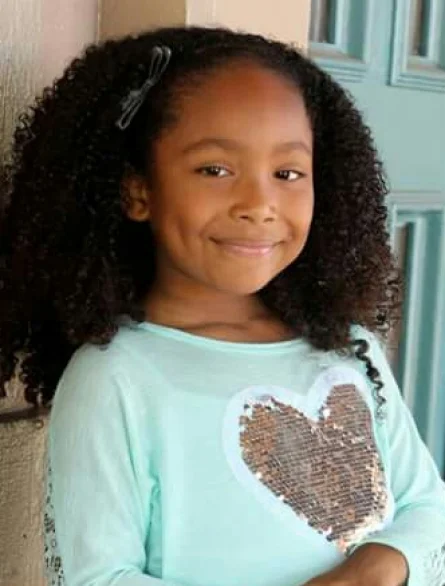
An article on KCET states, "Nine-year-old Genesis Butler is a young vegan activist from Long Beach who is passionate about saving the environment and protecting farm animals. She's doing her part to get the word out about reducing meat consumption and finding healthier food alternatives. In 2015, the young vegan activist encouraged members of the Long Beach City Council to pass a city-wide 'Meatless Mondays' resolution."

We also wanted to say Happy Veganniversary to Genesis! 


David Carter Is the Keynote Speaker at Meatout 2016

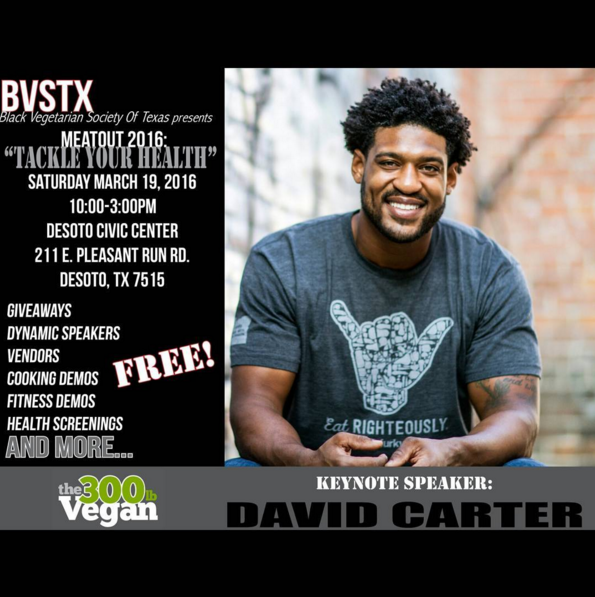
Meatout 2016 is coming up soon! David Carter will be giving a keynote talk dealing with black health and veganism, so you don't want to miss this! It takes place on Saturday, March 19th from 10-3pm at the DeSoto Civic Center in DeSoto, TX and it's 100% FREE! For more information, call (214)679-8085 or email them at info@bvstx.org. 

FEATURE: Milton Mills, M.D.

(Here is Dr. Milton Mills' original feature).

A Trip to The Slaughterhouse

A slaughterhouse in Berkeley? I was surprised. "They couldn't have something like that going on in the middle of a city", I thought. But they did. With an eye towards convincing people that an unsanitary slaughtering process is one of the many reasons meat eating is unhealthy, I decided to do a stealthy expose' of what I believed would be a dirty and messy process. I parked in front of the McDermott's Meat Company thinking that the building was not what I had expected. It was a rather unimposing structure, not particularly large, no imaginative design, just a functional box. As I put on overalls and a pair of old shoes, I wondered what I would see inside. Blood and gore? Giant machines? What?

I crossed the street and instinctively avoided the front office and headed for the factory itself. I hurried through the gate, attempting to look as though I knew where I was going, and almost bumped into a young man wearing a blood stained apron and one of those little white hardhats the meat guys at Safeway wear. "Can I help you?" he asked. "Well yes", I stammered, "uh, I want to take a tour of the slaughterhouse...who do I see?" "I'm your man!", he replied. The young man introduced himself as Jim McDermott, a member of the family that owned the plant. Jim not only agreed to let me see the plant, but volunteered to show me around. "What a nice guy", I thought--not at all like what I had expected. 

First, he showed me the holding pens in back of the plant where hundreds of cows stood around, oblivious to what was happening inside. From the pens, the cows were herded single-fine into a chute that lead into the slaughterhouse. As the animals entered the chute, they caught the scent of blood and began to bellow and tried to back out. The expression on their faces was not just fear, it was absolutely, desperate terror. They looked at me with a wild-eyed stare that seemed to say "help me!", but I couldn't. It was then that I began to experience a creeping sense of helplessness and mortification.

A series of gates in the chute allowed only one cow at a time to move ahead, and they were forced forward by repeated applications of a cattle prod. The final stop was just inside the slaughterhouse and looked like a giant, three-sided concrete bathtub with a left wall made of steel. This was the stunning pen; it could hold only one animal at a time. Standing on a platform overlooking the pen was a big, menacing-looking man with a steel cylinder about fourteen inches long in his hand. This device was a "stun gun"; it had a five-inch rod protruding from its front end. When a cow was secured in the pen, the man would push the rod in and place an explosive charge in the rear of the cylinder. He would then lean over the animal and place the front of the cylinder on the cow's forehead and squeeze the trigger. BANG! With a loud, sickening crack, the rod punched a hole five inches deep through the cow's skull into its brain. The stunned animal would collapse, and the steel wall of the pen flipped over, rolling the cow out onto the floor of the plant. Sometimes, some of the larger animals would kick and writhe on the floor necessitating repeated applications of the stun gun to immobilize them. But most of the time the majority of the animals lay still. 

Overhead was a system of chains and hooks that moved throughout the plant. The pot-bellied man stepped down to where the stunned animal lay, and wrapped a chain around one of its ankles. He then pulled a lever and the cow was hoisted up upside-down so that its lips were about three feet off the ground. Suddenly the whole conveyer system lurched, and the cow moved forward about twenty feet to the next station. There, in what looked like a large open shower stall without a shower, stood a bare-armed man in a plastic apron with a large knife and a sharpening file. As the cow came to a stop in front of him, he inserted his knife at the spot where the neck meets the chest and sliced all the way down to the lips. Blood gushed out in torrents because the cow's heart was still beating. With thick, wet, slapping sounds blood splashed all over the sloping floor and ran down a drain to collect in a holding tank. I was told it would be sold for fertilizer--nothing is wasted. The man's arms were covered with blood up to his elbows. He calmly took a small water hose and rinsed off his arms and then washed the blood off his apron and boots, and waited for the next animal. 

From there the carcass went from one station to another. It had its hooves clipped off, its hide stripped, its head removed, its chest sawn open and its belly slashed. It was disemboweled, sliced into halves, rinsed off and sent to the cooler. The whole process was hideously efficient. I stood there getting sick from the smell of blood and becoming increasingly disturbed by what I was seeing. Although it was a ghastly spectacle, everything was relatively neat and clean*--nothing like what I had expected. I had expected the process to be physically brutal, but I had not anticipated that it would be so spiritually cruel and psychically bruising. I had envisioned a medieval dungeon with blood-spattered walls and a floor littered with entrails and body parts. I'd thought the slaughtering process would be a long and arduous task accomplished by grotesque men who enjoyed hearing the shrieks and moans of dying animals. Instead, I saw ordinary men performing their jobs in a perfunctory, disinterested fashion inside a modern semi-automated factory with relative ease and surprising speed.

I then realized what so disturbing. I had just witnessed sanitary, systematic, legally sanctioned mass murder. I had watched huge, half-ton, living animals reduced to sides-of-beef in a few simple steps. How could it be so easy? I wondered where their life force had gone. I thought about the casual indifference with which we humans often take away that which we cannot give. It all seemed so wrong in a deep and profound way. It seemed as if the whole process was being watched in horror by silent celestial witnesses. I felt guilty, as though I had been a party to the whole thing. I wanted to leave.

I thanked Jim and walked quickly out of the building and over to my car. As I took off my overalls and put on my good shoes, I was even more disturbed by being able to leave what I had just witnessed so easily. There was no ascent from hell, no Sisyphean journey; all it took was a walk across the street. It could have been almost any street. As I reflected on what I had just seen, I realized the most poignant difference between what I had expected and what I had actually experienced what was I felt in my soul. I had not expected to be so deeply moved and utterly shaken by the wholesale, ineffable killing that took place. It is an awful and unsettling thing to look into the eyes of a creature that knows it's going to be killed and not be able to do anything to stop it. It left me with a feeling that was something akin to shame. I got into my car and drove away, wiser but saddened. 

*From time to time throughout the slaughtering process, particularly during the procedures where flesh was cut and scraped off the head and other bony parts, tissue destined for human consumption would fall on the floor and simply be picked up and placed in bins from which ground beef and hotdogs would be made. Furthermore, the USDA inspector present that day spent less than five minutes "examining" the huge pile of internal organs of selected animals while I was there. The numbers of animals coming down the pile was simply too great to be more thorough. In my opinion, such cursory, inefficient inspection renders the designations "USDA inspected" or "USDA choice" essentially meaningless. 

FEATURE: Jasmine

My name is Jasmine and I've been vegan now for one year! My  journey didn't happen the way I expected it too. I honestly didn't know my journey would even lead to veganism. I started out as a pescatarian in October of 2014, mainly for my health. My husband was worried about our blood pressure since it runs in both of our families. So, I decided to take initiative and get on the right track. I was eating meat once a month and then in November of that year, the day that I had saved for my "meat day", I ate a burger, and my body chose to reject the flesh. I knew at that moment I was going to go full vegetarian (truly was pescatarian/ovo-lacto). In December I was curious about more vegan options and decided to look up something that I thought would be IMPOSSIBLE to find: vegan fried chik'n. All I could think was no way will I find this, and lo and behold, it popped up on YouTube!  

I watched the video and told myself: you know what, if you can still have things like this as a vegan, why not just do it! My true transition began. I decided to try Veganuary for the month of January. I just completely jumped in. I wasn't sure what to expect, but once the month was over, I already knew it was meant to be: I had to stay vegan. I learned later about animal rights, and the cruelty of factory farming, and how despicable it is. It's even more of a reason to do what I do. At this point, it's about my health, but my number one priority centers on the animals. They don't deserve the exploitation. If veganism lets us still enjoy what we loved as omnivores in as cruelty-free a way as possible, why wouldn't we do it?

I currently throw monthly potlucks for vegans and non-vegans alike to show them the versatility of vegan food and how they're not "missing out" when they go vegan.

Here's my Instagram page: Jasmine_Goes_Vegan


FEATURE: Kofi's Kitchen

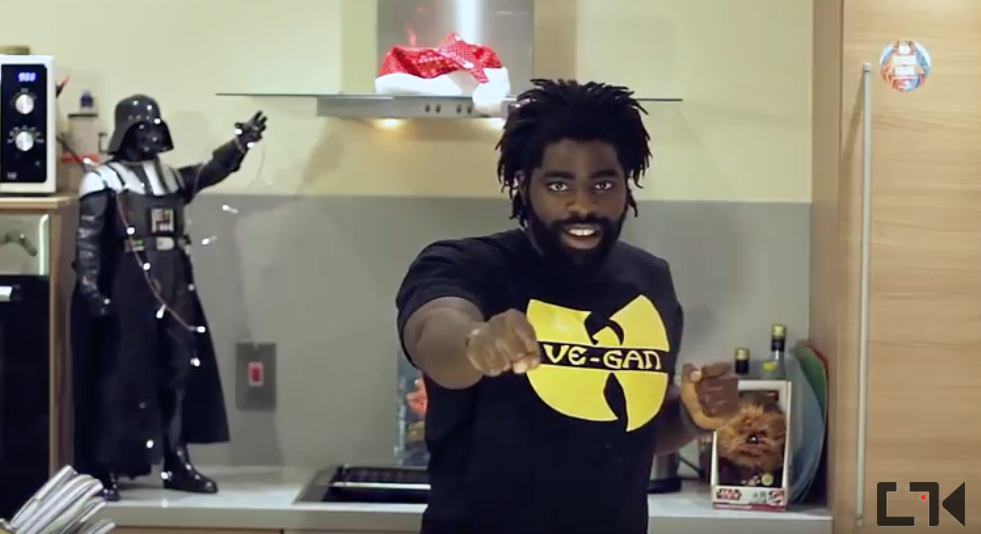
I qualified for a grant for £17,000 last year in order to help kickstart my Ghanian Street Food & Sports nutrition pop up named Kofi's Kitchen. When doing my market research and looking for suppliers, I wanted to find (deep breath) the best "quality" pork, chicken, beef etc. My knowledge at the time took me to visit as many local free range farms as possible. Believing them to be a (wait for it) more sanitary, healthier and "humane" source of obtaining meat. I took a look at some of the  suppliers first hand and man! I couldn't believe what has been okayed to be classed as humane and free range. 

As I'm into sports nutrition, I got a list of medicines, antibiotics and pesticides that the animals were consuming and looked at their effect on the human body and couldn't believe the results. All I'm saying is that with each meal, we are essentially killing ourselves... 

This was the catalyst that led me to watch Vegucated (unfortunately it was whilst eating a double cheese/double pepperoni pizza) then straight away Earthlings. That was on May 23rd, 2015 and I haven't touched any animal products since and never will again. I just stopped "cold turkey." Since then I've reworked my menus, converting the best Ghanian dishes into proud vegan ones, which we will be featuring soon enough on the show. In my area, veganism is virtually an unknown lifestyle but I have been surprised to to see how well the food has taken off at music events and when I've been hired to do private catering. 

It's been an amazing experience. My family supports me, especially my mum who has given up everything except fish (working on that), but my challenge will be when I go back to visit family in Ghana. I have to try to explain my lifestyle to them and win them over.

My love of comics, films and sci-fi has been fused with my love of cooking and the power of food in bringing people together (everyone's gotta eat right?). This is demonstrated through the show we have started. At CTK we hope to use this as an example of our diverse skills whilst building a strong body of creative work, which captures energy, emotion and the essence of the moment with every project we do. We have many more episodes in the bank that we can't wait to share with people and we can't wait to see what you all think of it. Keep an eye out on our channel for upcoming original content. 

Also I would like to add, thank you for all the work you do in the vegan community. I remember the weekend when you guys popped up on twitter and my face literally turned into the no mouth emoji . No joke. I had to go to the doctor and write down why my face was yellow and my  mouth was gone.

As you can see from the video I'm okay now 🏿! 

The show itself takes comics, movies, TV shows and pop culture, puts it in a blender, 'n fries/grills/bakes up some unique dishes and recipes inspired by a different theme. It's simple and easy! We provide steps with informative information about the ingredients that we use. Oh and It's pretty funny too!

My twitter is @kofi_smiles

Twitter: @CTKMedia

Website: CTKmedia.co.uk

Facebook: www.facebook.com/CTKMedia.co.uk

YouTube: https://www.youtube.com/channel/UCsdNSR_9SUoXTrFJgkNSwiA